

-1920w.jpg)
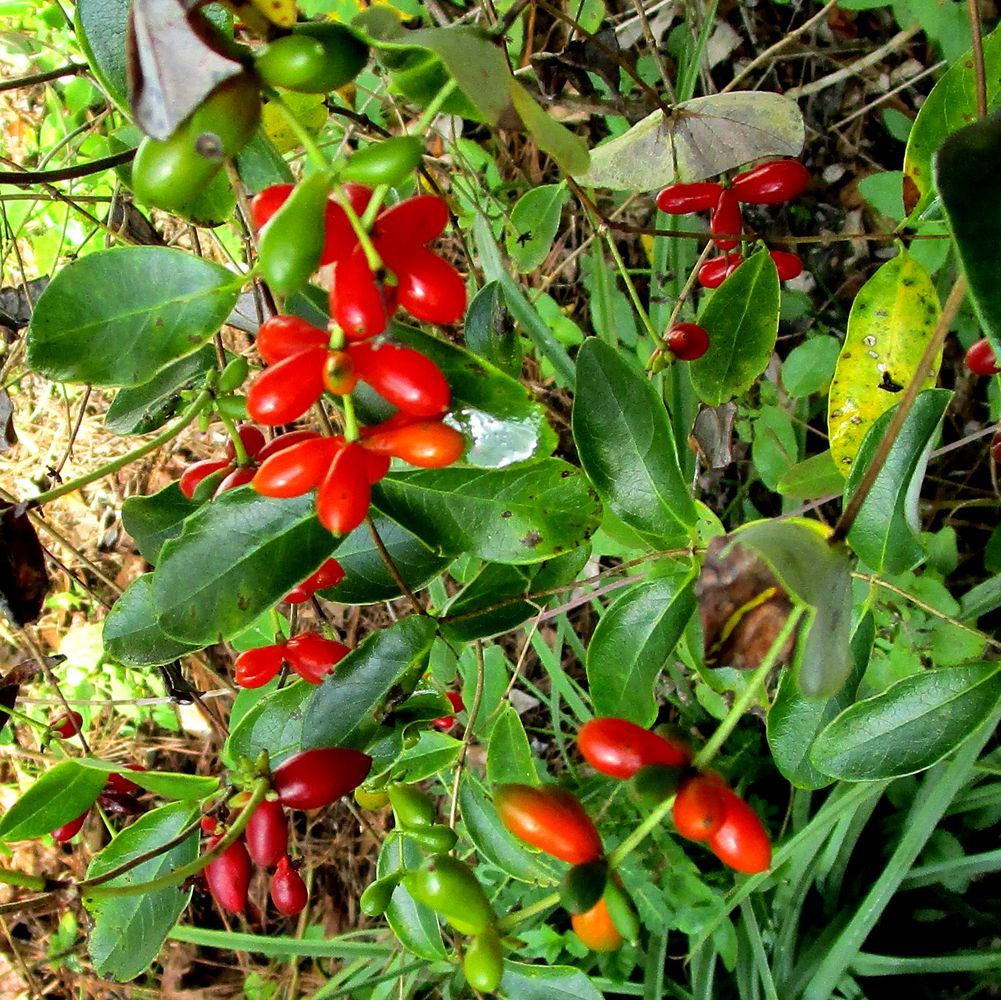
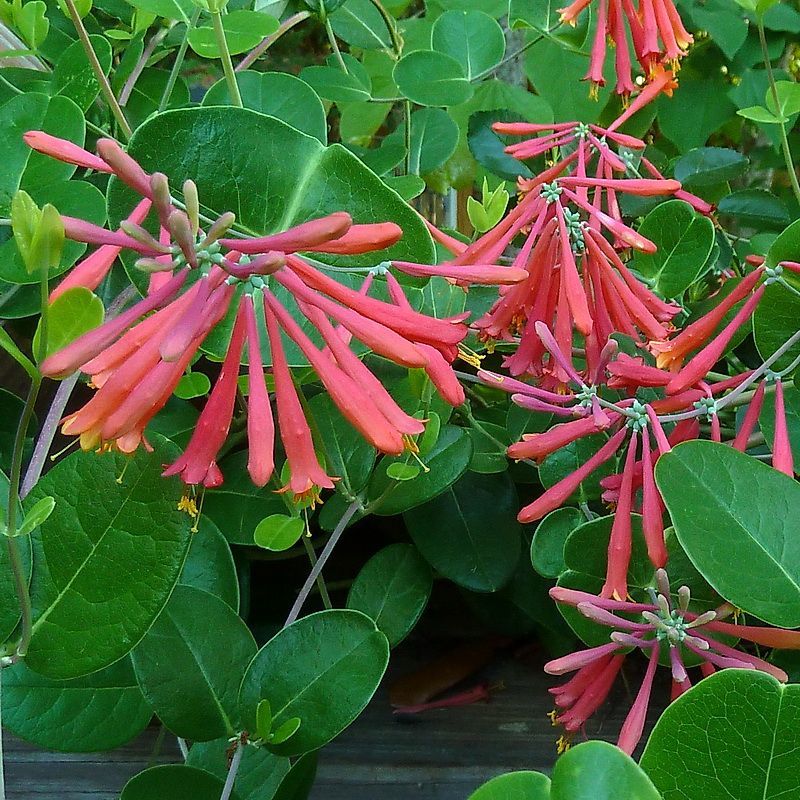
Lonicera sempervirens
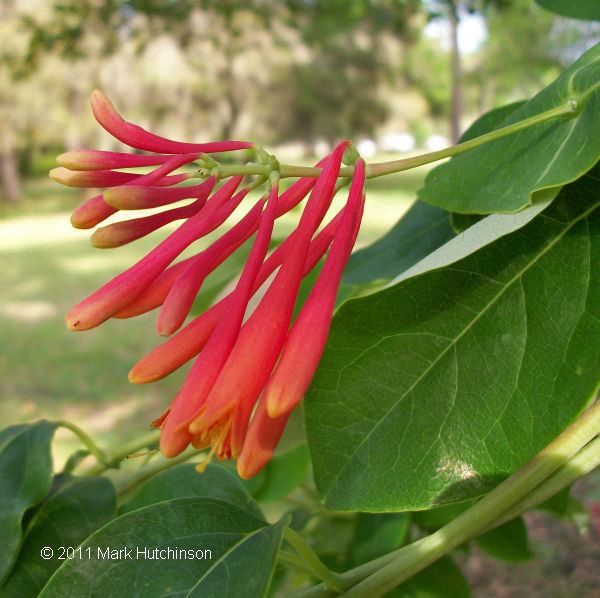
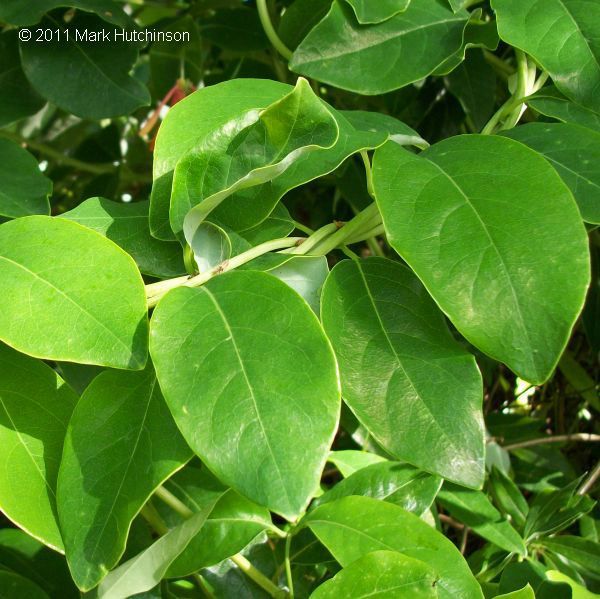
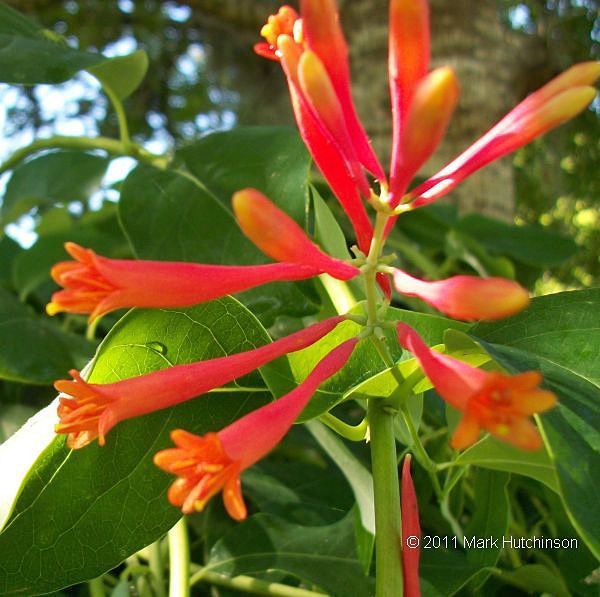
coral honeysuckle
Nomenclature
Common Name:
Synonym(s):
Genus species:
Family:
Caprifoliaceae
Plant Specifics
Form:
Size:
Life Span:
Long-lived perennial
Flower Color:
Fruit Color:
Phenology:
Noted For:
Landscaping
Recommended Uses:
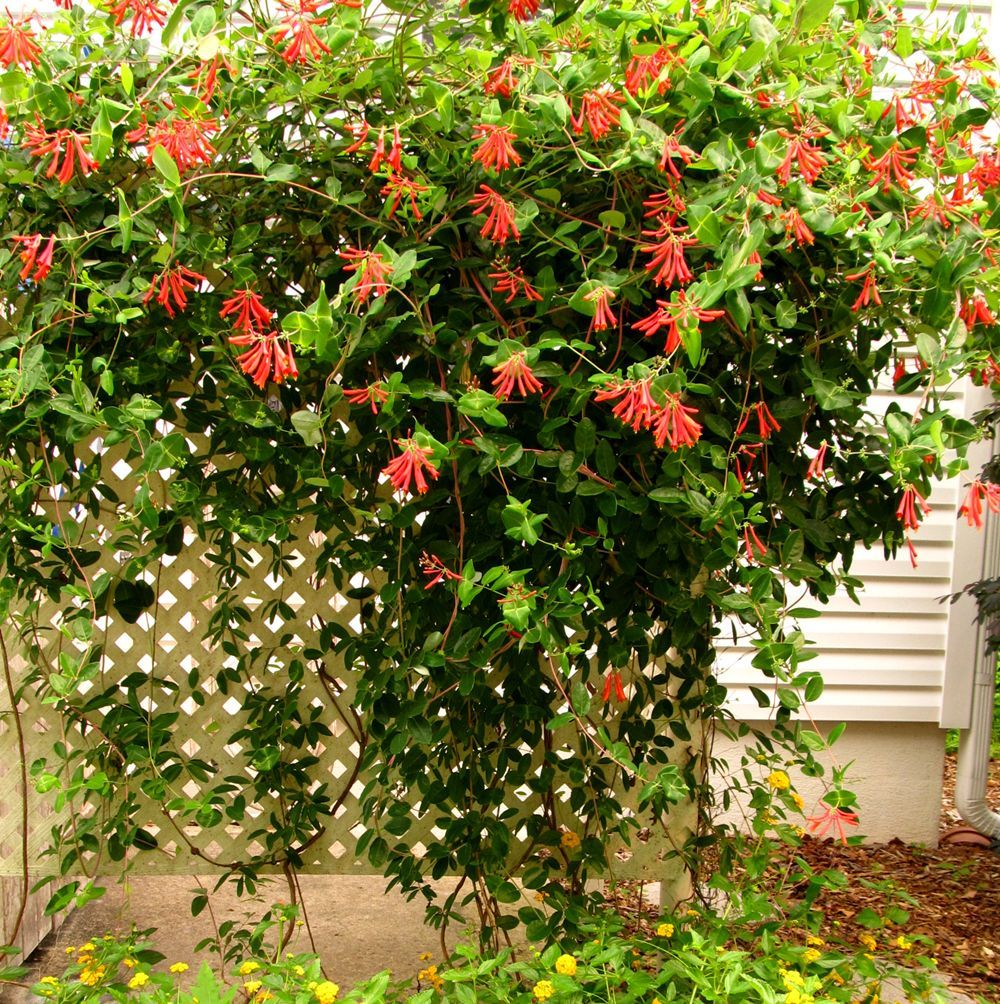
Given a trellis or fence this plant makes a great hedge. It can also make a good groundcover though it will not bloom as well as it does with support.
Expect this plant to be evergreen in most of Florida but deciduous in colder areas.
Considerations:
Text
Availability:
Text
Propagation:
Text
Light:
Text
Moisture Tolerance:
Always Flooded---------------------------------Extremely Dry
□□□□□□□□□□□□□□□■■■■■■■■■■■■■■■■■■□□□□□□□□□
Usually moist, occasional inundation -to- Short very dry periods
Salt Water Flooding Tolerance:
Unknown
Salt Spray/Salty Soil Tolerance:
Low/no tolerance of salty wind or direct salt spray
Soil or Other Substrate:
Sand, Clay, Loam
Soil pH:
Suitable to Grow In:
8A,8B,9A,9B,10A,10B
Ecology
Wildlife:
Larval host for Spring Azure ( Celastrina ladon ) and Snowberry Clearwing ( Hemaris diffinis ) butterflies.
Flowers attract hummingbirds.
Birds, especially cardinals, eat the seeds - digesting the outer flesh of the fruit and aiding in distribution of the seed.
Native Habitats:
Comments:
Ethnobotany:
General Comments:
Coral honeysuckle's bark exfoliates.
Climbs by twining

