
Rhexia spp.
meadow-beauty
Melastomataceae
Plant Specifics
Form:
flower
Size:
1-2 ft tall by 0.5 ft wide
Life Span:
long-lived perennial
Flower Color:
pink, white, yellow
Fruit Color:
Phenology:
Winter dormant. Best bloom is from late spring through early fall.
Noted For:
Showy Flowers
Landscaping
Recommended Uses:
Wildflower in moist garden. Forms colonies.
Considerations:
Light:
Full Sun, Part Sun
Moisture Tolerance:
Usually moist, occasional inundation ---- to ---- Somewhat moist, no flooding
Salt Water Flooding Tolerance:
Unknown
Salt Spray/Salty Soil Tolerance:
Low/no tolerance of salty wind or direct salt spray
Soil or Other Substrate:
Sand, Loam
Suitable to Grow In:
8A,8B,9A,9B
Ecology
Wildlife:
Pollinators, Butterflies
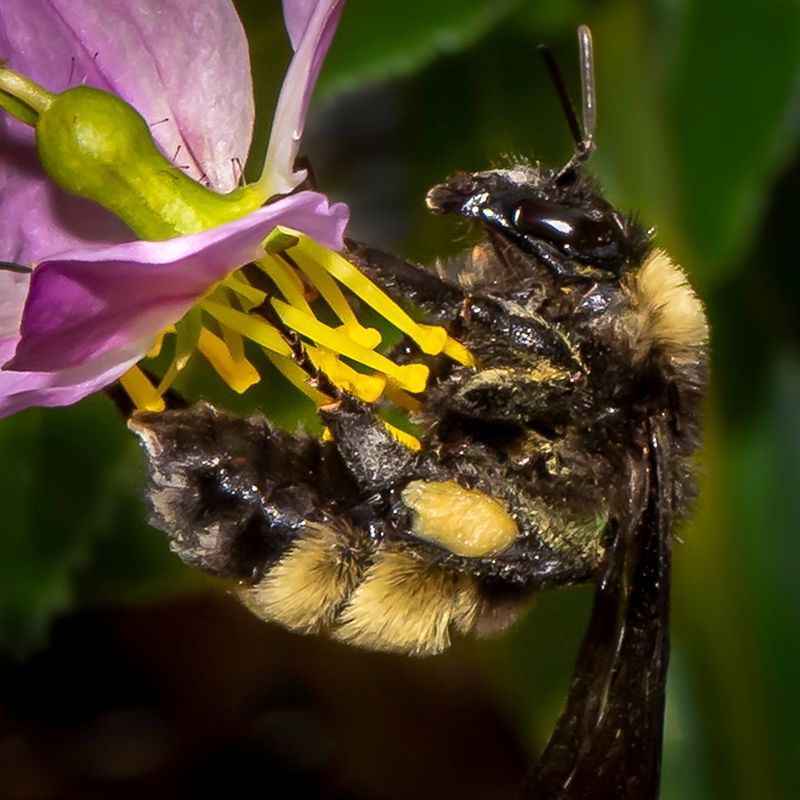
Attracts bees and small butterflies. Bees, including Augochloropsis anoizyina and Bombus impatiens have been documented on pale meadow beauty (Deyrup et al. 2002).
Native Habitats:
Wet prairie, cutthroat seep, wet flatwoods, wet roadsides, wetland transition zones.
There are several species most with similar culture in garden settings. In the wild, they differ in specific site tolerance and have different natural settings.
There are several species most with similar culture in garden settings. In the wild, they differ in specific site tolerance and have different natural settings.

