

Sabal palmetto
cabbage palm, sabal palm
Arecaceae (Palmae)
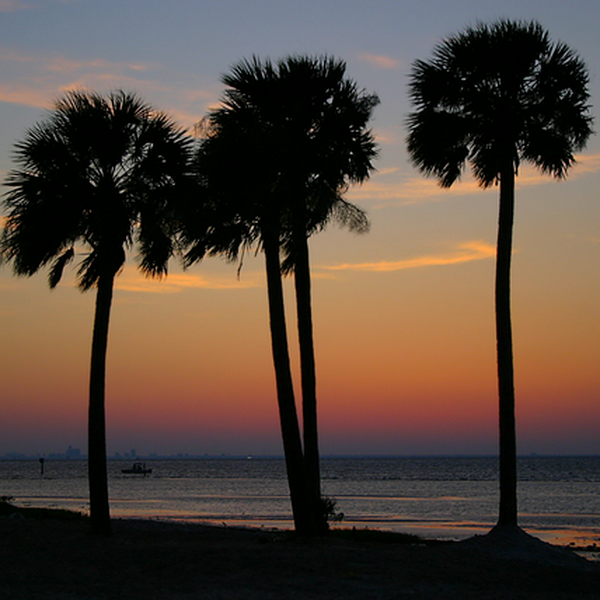
Plant Specifics
Form:
Size:
Life Span:
long-lived perennial
Flower Color:
Fruit Color:
Phenology:
Noted For:
Landscaping
Recommended Uses:
Considerations:
Fronds and flower stalks fall. Seeds sprout readily and can require control. In southern part of the state, strangler figs can sprout in the boots and eventually overwhelm the palm.
Light:
Moisture Tolerance:
Usually moist, occasional inundation ---- to ---- Very long very dry periods
Salt Water Flooding Tolerance:
Unknown
Salt Spray/Salty Soil Tolerance:
Moderate. Tolerant of salty wind and may get some salt spray.
Soil or Other Substrate:
Sand, Loam
Suitable to Grow In:
8A,8B,9A,9B,10A,10B,11
Ecology
Wildlife:
Larval host plant for Monk Skipper ( Asbolis capucinus ) butterfly.
Pollinated by bees.
Seeds used by small mammals such as raccoons. Used by birds for nesting.
Dead palm fronds -- roosting habitat for yellow bats. Their yellowish color blends in with the color of the fronds and makes them almost invisible. The dead palm fronds hanging down below the live leaves, serve as one of their favorite roost sites. It is almost impossible to see them since they hide so well and the color of their fur blends right in with the dead palm fronds.
Native Habitats:

