


FNPS Plant Database
Diospyros virginiana
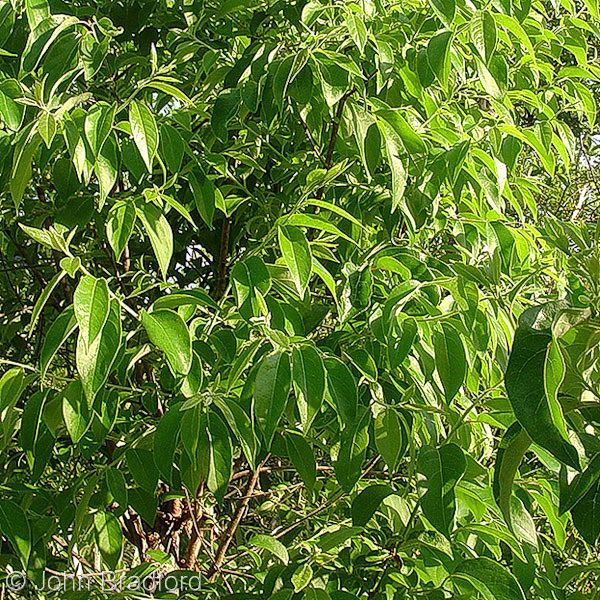
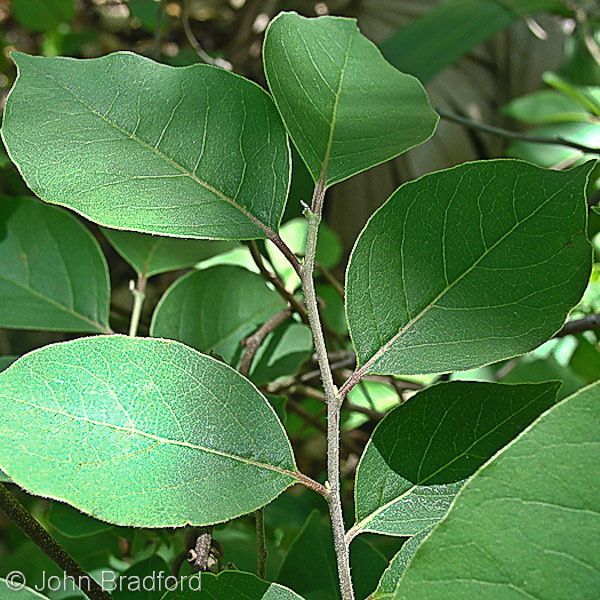
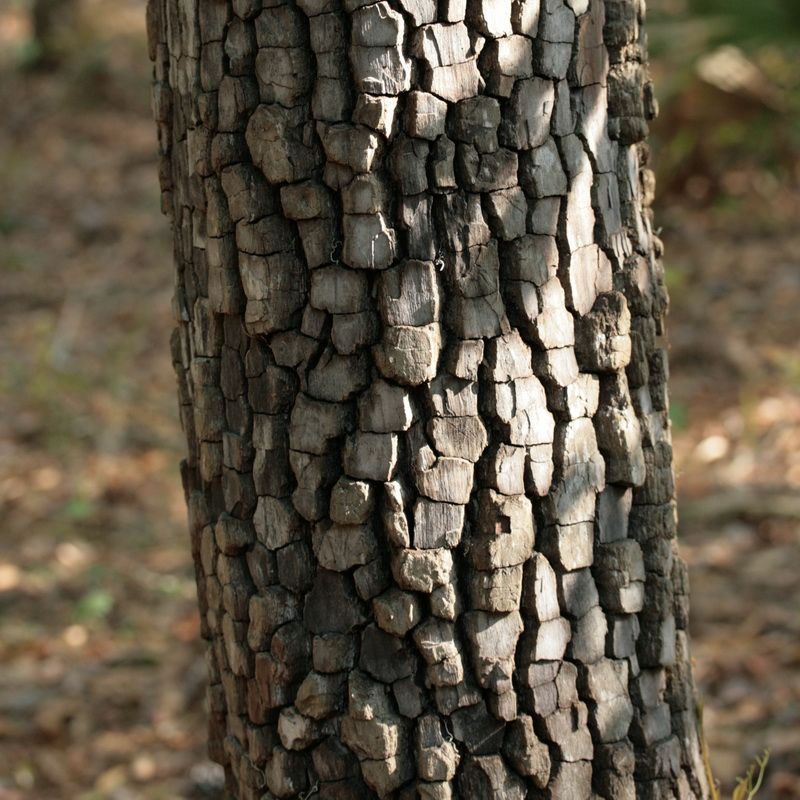
Nomenclature
Common Name:
Synonym(s):
Genus species:
Family:
Ebenaceae
Plant Specifics
Form:
Size:
Life Span:
long-lived perennial
Flower Color:
Fruit Color:
Phenology:
Noted For:
Landscaping
Recommended Uses:
Considerations:
Availability:
Propagation:
Light:
Moisture Tolerance:
Usually moist, occasional inundation -to- Somewhat long very dry periods
Salt Water Flooding
Tolerance:
Not salt tolerant of inundation by salty or brackish water
Salt Spray/Salty Soil Tolerance:
Moderate. Tolerant of salty wind and may get some salt spray
Soil or Other Substrate:
Sand, Clay, Loam
Soil pH:
Suitable to Grow In:
8A,8B,9A,9B,10A
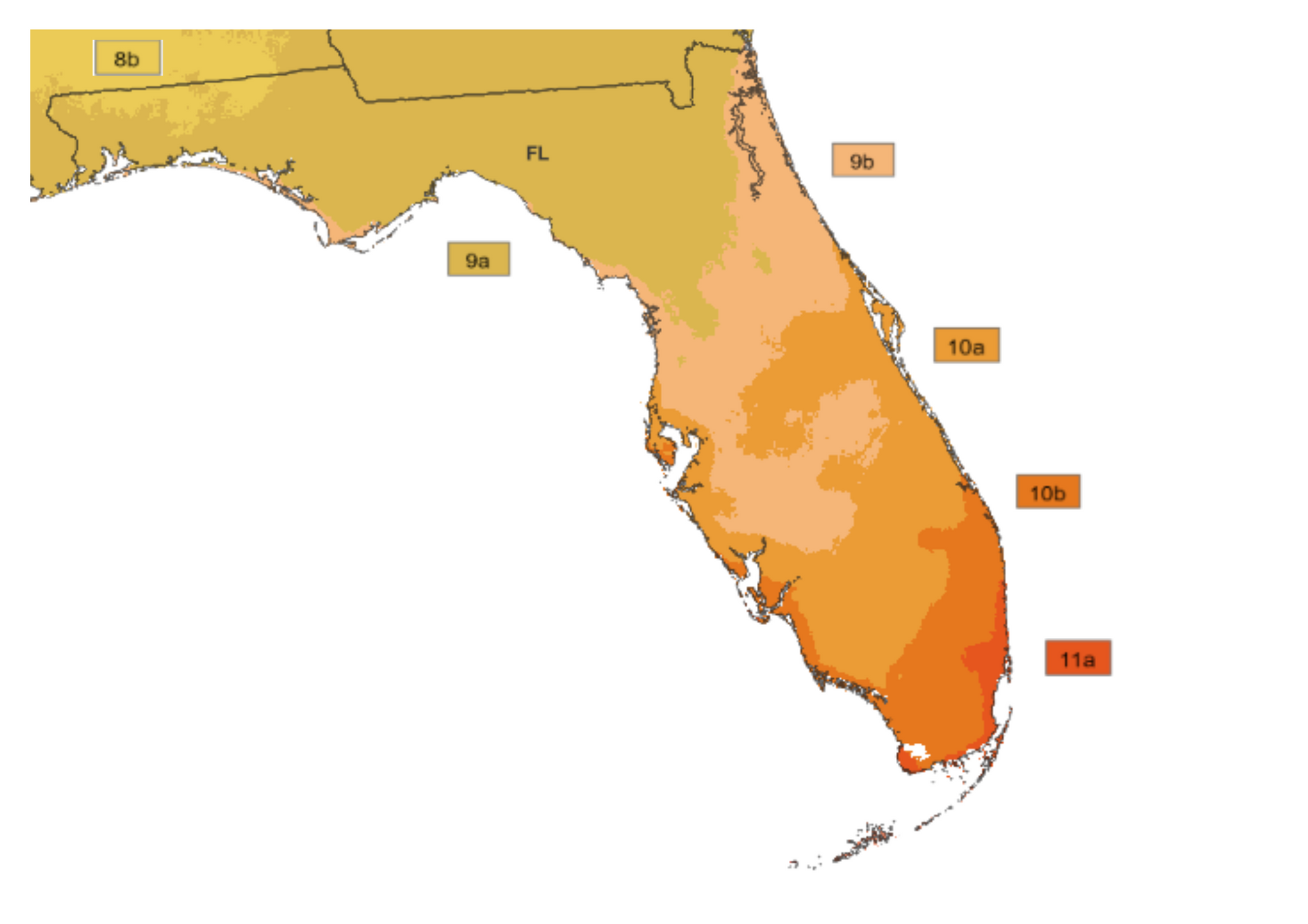
USDA zones are based on the average annual extreme minimum winter temperature.
Don't know your zone? Click here to search by zip code.
Vouchered In:
Ecology
Wildlife:
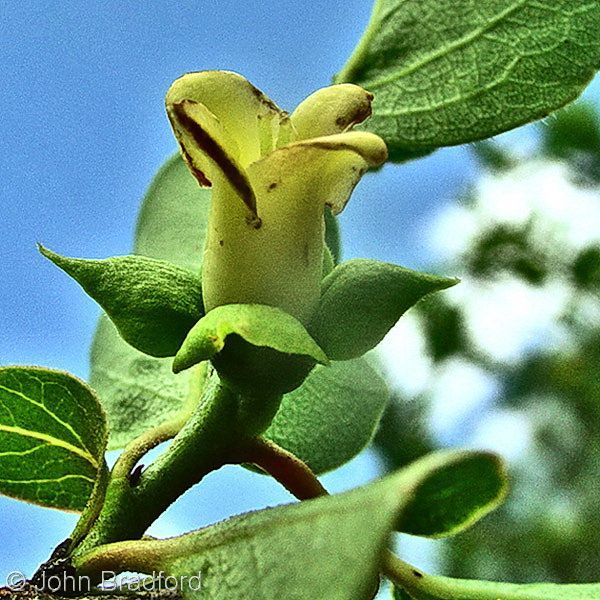
Larval host for royal walnut moth ( Citheronia regalis ), pecan carpenterworm moth ( Cossula magnifica ), pin-striped slug moth ( Monoleuca semifascia ), Wittfeld's forester ( Alypia wittfeldii ), hag moth ( Phobetron pithecium ), and luna moth ( Actias luna ). Flowers are insect pollinated.
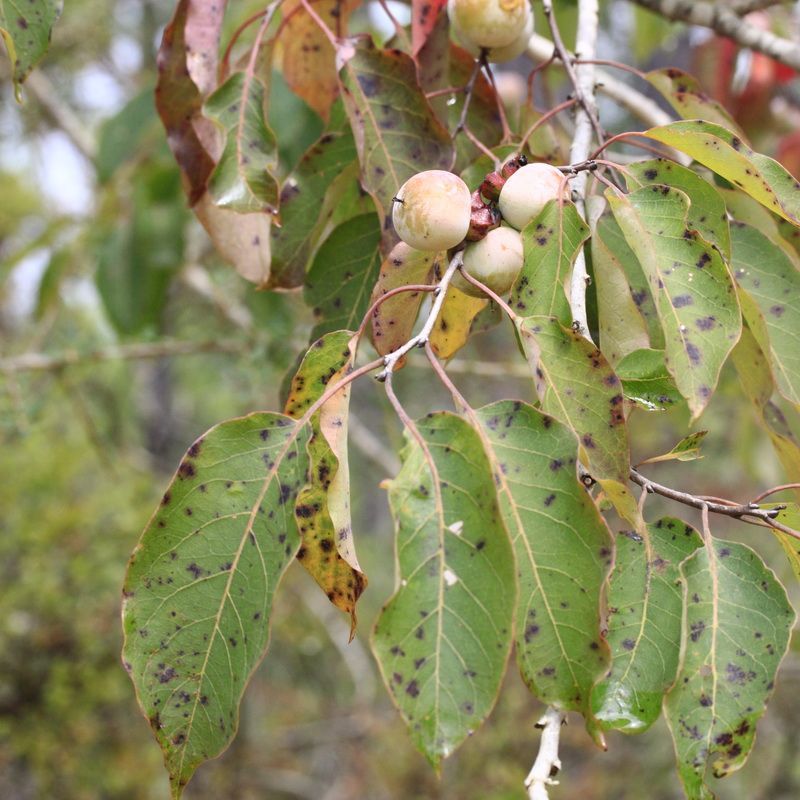
Fruits are used by a broad array of small mammals and some birds.
Native Habitats:
Comments:
Ethnobotany:
General Comments:
Citations:
Burns, Russell M, and Barbara H. Honkala [Technical coordinators]. (1990). Silvics of North America: Volume 2. Hardwoods. United States Department of Agriculture (USDA), Forest Service, Agriculture Handbook 654. ( https://www.fs.usda.gov/treesearch/pubs/1548). Accessed 2025.
Gann, G.D, C.J. Abbott, C.G. Stocking, K.N. Hines, and collaborators. (2001+). Persimmon, Common persimmon. Natives For Your Neighborhood. ( https://www.regionalconservation.org/beta/nfyn/plantdetail.asp?tx=Diosvirg). Accessed 2026. The Institute for Regional Conservation. Delray Beach, FL.
Haehle, Robert G. and Joan Brookwell. (1999). Native Florida Plants. Gulf Publishing Company. Houston, TX.
Osorio, Rufino. (2001). A Gardener's Guide to Florida's Native Plants. University Press of Florida, Gainesville, FL.
Nelson, Gil. (2003). Florida's Best Landscape Plants: 200 Readily Available Species for Homeowners and Professionals. University Press of Florida, Gainesville, FL.
University of Tennessee Extension Service. (2010). Desired pH Range and salt tolerance of common nursery plants. ( https://plantsciences.tennessee.edu/wp-content/uploads/sites/25/2021/10/Desired-pH-Range-List.pdf). Accessed 2025. University of Tennessee Extension, Knoxville, TN.
Wunderlin, R. P, B. F. Hansen, A. R. Franck, and F. B. Essig. (1999+). Atlas of Florida Plants. ( https://florida.plantatlas.usf.edu/). [S. M. Landry and K. N. Campbell (application development), USF Water Institute.] Institute for Systematic Botany, University of South Florida, Tampa, FL.
