


FNPS Plant Database
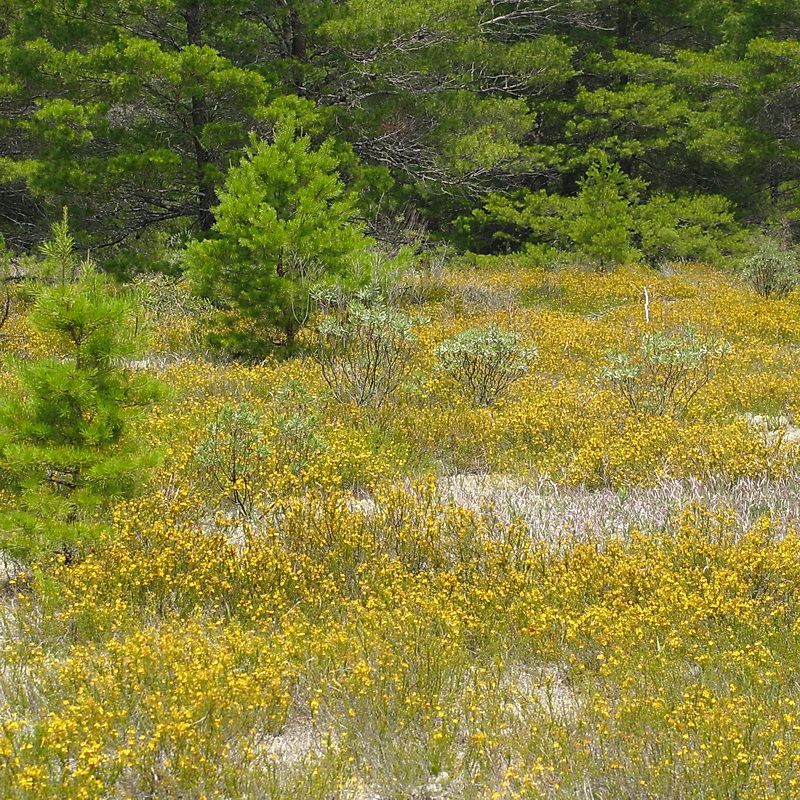
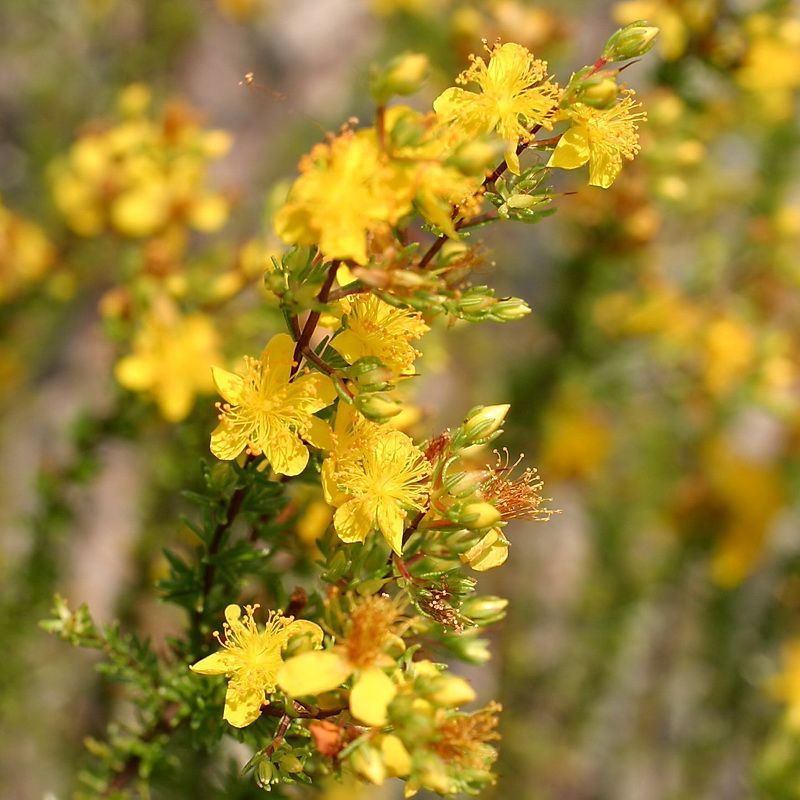
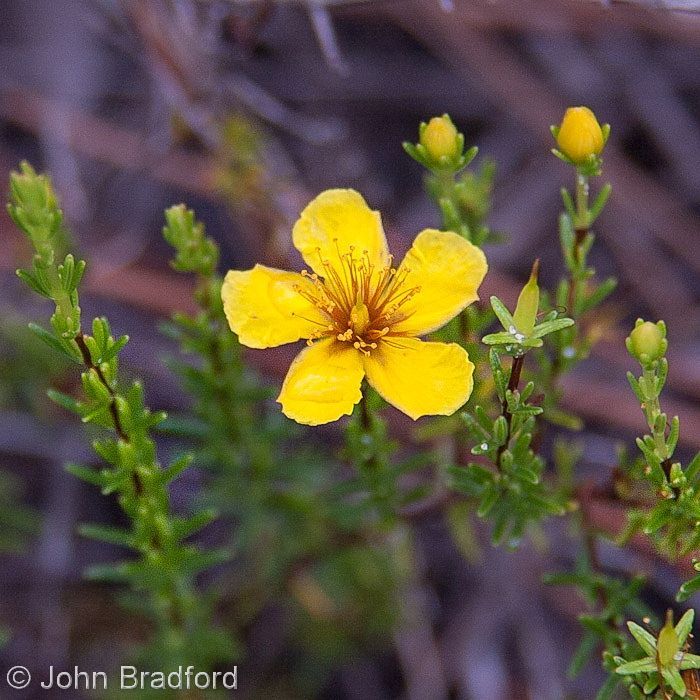
Hypericum tenuifolium
Nomenclature
Common Name:
Synonym(s):
Genus species:
Family:
Clusiaceae
Plant Specifics
Form:
Size:
Life Span:
short-lived perennial
Flower Color:
Fruit Color:
Phenology:
Noted For:
Landscaping
Recommended Uses:
Considerations:
Availability:
Propagation:
Light:
Moisture Tolerance:
Somewhat moist, no flooding -to- Very long very dry periods
Salt Water Flooding
Tolerance:
Not salt tolerant of inundation by salty or brackish water
Salt Spray/Salty Soil Tolerance:
Some tolerance to salty wind but not direct salt spray
Soil or Other Substrate:
Sand
Soil pH:
Suitable to Grow In:
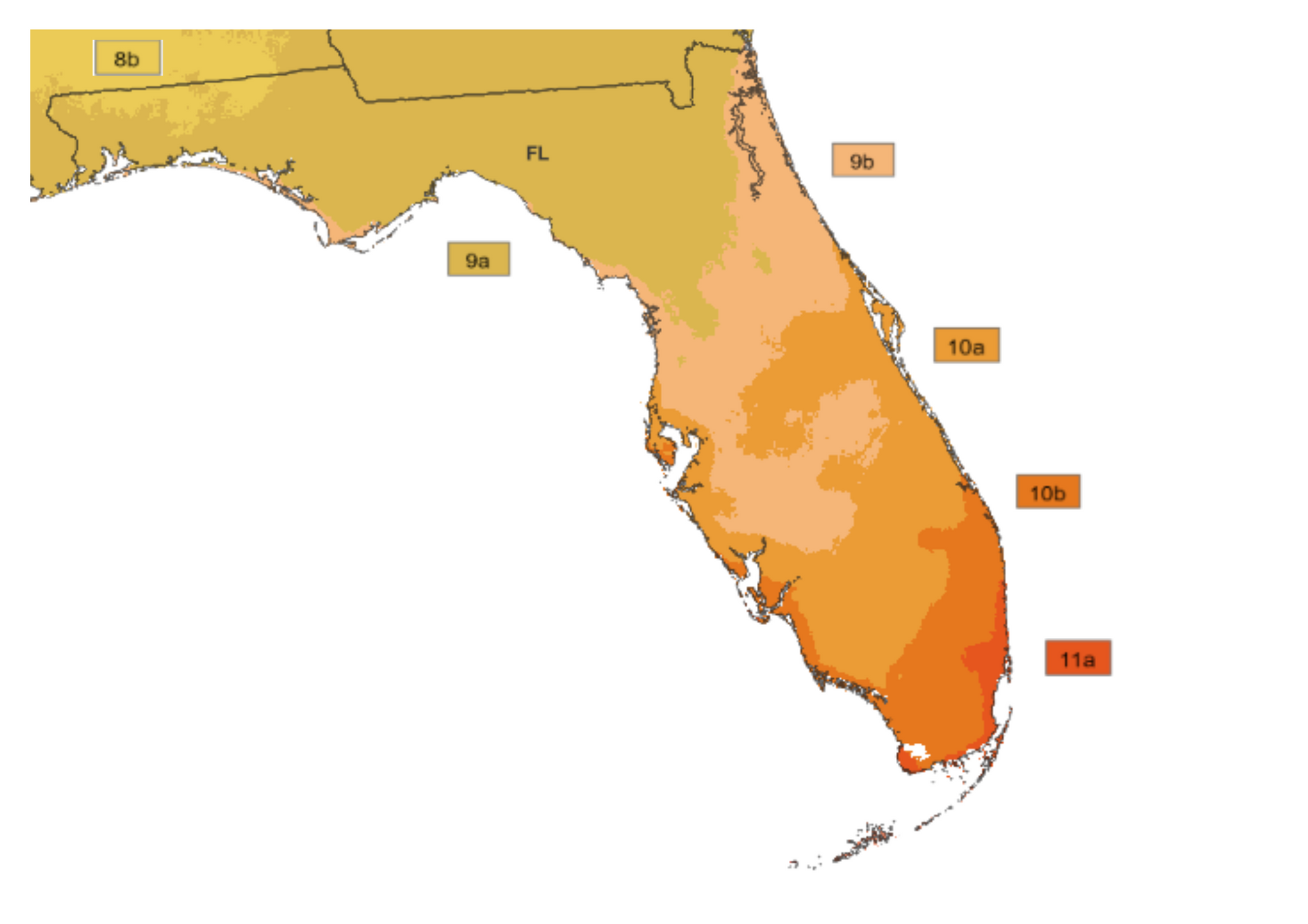
USDA zones are based on the average annual extreme minimum winter temperature.
Don't know your zone? Click here to search by zip code.
Vouchered In:
Ecology
Wildlife:
Attracts pollinators, especially bees. Documented bees include Colletes sp. A, Hylaeus confluens, Augochlorella aurata, A. gratiosa, Augochloropsis anonyma, A. metallica, A. sumptuosa, Lasioglossum miniatulum, L. nymphale, L. tarponense, L. tegulare, Arzthidielluln perplexum, Megachile brevis pseudobrevis, M. georgica and Apis mellifera (Deyrup et al. 2002).
Foliage and seeds are food source for birds and mammals.
Native Habitats:
Comments:
Ethnobotany:
General Comments:
Citations:
Deyrup, Mark, Jay Edirisinghe, and Beth Norden. (2002). The diversity and floral hosts of bees at the Archbold Biological Station, Florida (Hymenoptera: Apoidea). Insecta Mundi, 544. ( https://digitalcommons.unl.edu/insectamundi/544/). Accessed 2026. University of Nebraska, Lincoln, NE.
Gann, G.D, C.J. Abbott, C.G. Stocking, K.N. Hines, and collaborators. (2001+). Atlantic St. John's-wort. Natives For Your Neighborhood. ( https://www.regionalconservation.org/beta/nfyn/plantdetail.asp?tx=Hyperedu). Accessed 2026. The Institute for Regional Conservation. Delray Beach, FL.
Huegel, Craig N. (2012). Native Wildflowers and Other Ground Covers for Florida Landscapes. University Press of Florida, Gainesville, FL.
North Carolina State Extension. (Undated). North Carolina Extension Gardener Plant Toolbox. ( https://plants.ces.ncsu.edu/). North Carolina Agricultural & Technical University, Greensboro, NC.
Osorio, Rufino. (2001). A Gardener's Guide to Florida's Native Plants. University Press of Florida, Gainesville, FL.
VanHoek, Carmel. (2016). The Saints of Hillsborough County: The Genus Hypericum
(blog post). ( https://fnpsblog.blogspot.com/2016/06/the-saints-of-hillsborough-county-genus.html). Accessed 2026. Florida Native Plant Society.
Wunderlin, R. P, B. F. Hansen, A. R. Franck, and F. B. Essig. (1999+). Atlas of Florida Plants. ( https://florida.plantatlas.usf.edu/). [S. M. Landry and K. N. Campbell (application development), USF Water Institute.] Institute for Systematic Botany, University of South Florida, Tampa, FL.
