


FNPS Plant Database
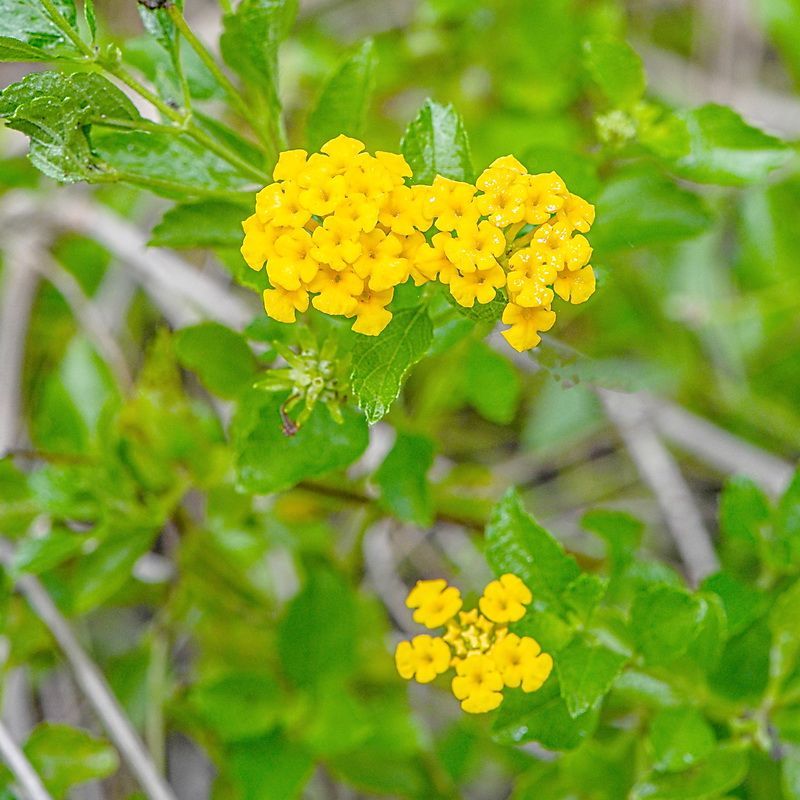
Lantana depressa var. depressa
Nomenclature
Common Name:
Synonym(s):
Genus species:
Family:
Verbenaceae
Plant Specifics
Form:
Size:
Life Span:
long-lived perennial
Flower Color:
Fruit Color:
Phenology:
Noted For:
Landscaping
Recommended Uses:
Considerations:
Availability:
Propagation:
Light:
Moisture Tolerance:
Not wet but not extremely dry -to- Very long very dry periods
Salt Water Flooding
Tolerance:
Not salt tolerant of inundation by salty or brackish water
Salt Spray/Salty Soil Tolerance:
Moderate. Tolerant of salty wind and may get some salt spray
Soil or Other Substrate:
Sand, Lime Rock
Soil pH:
Suitable to Grow In:
10A,10B,11
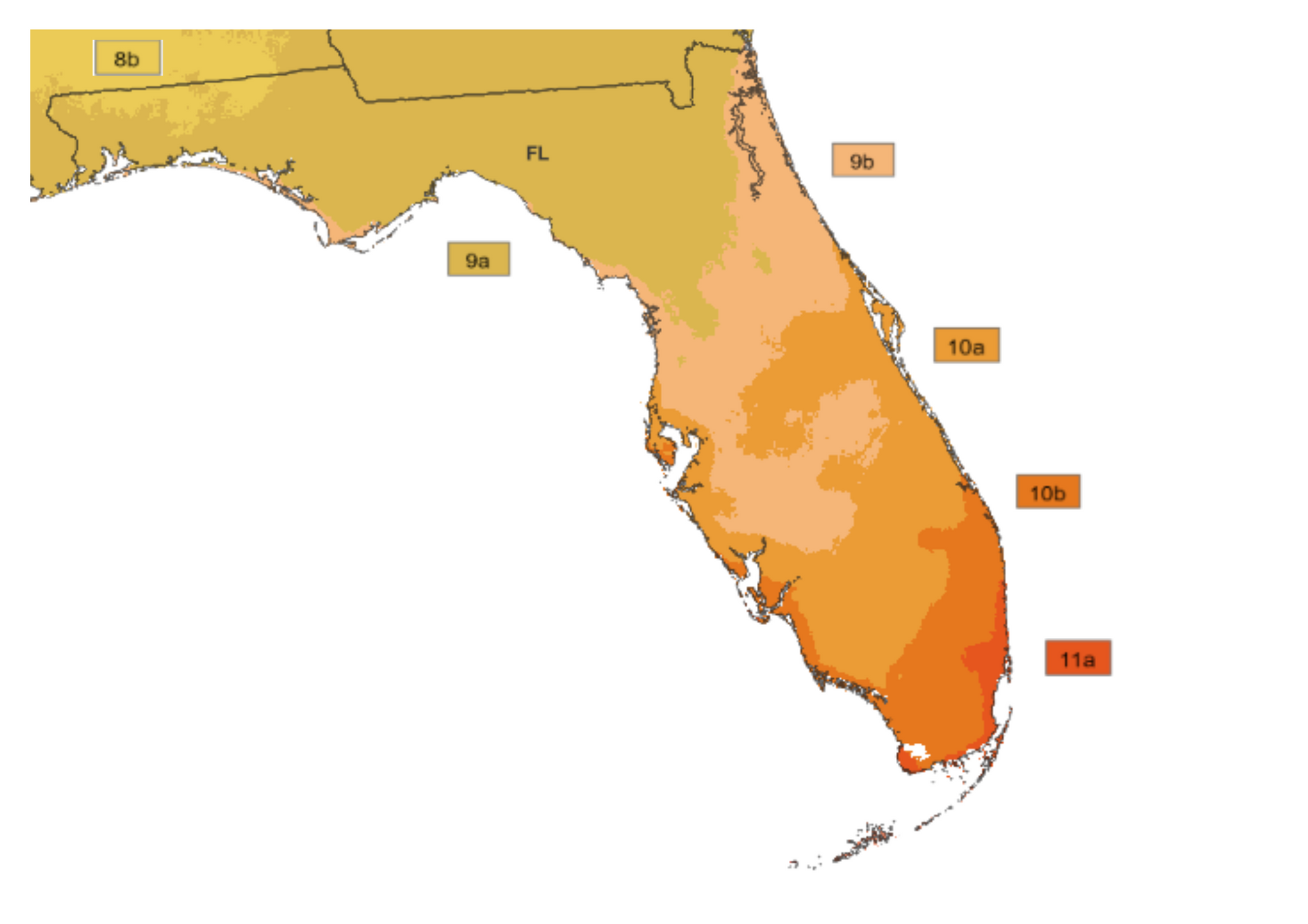
USDA zones are based on the average annual extreme minimum winter temperature.
Don't know your zone? Click here to search by zip code.
Vouchered In:
Ecology
Wildlife:
May be pollinated by butterflies during the day and by moths at night (Osorio 2012). Also visited by bees.
Birds eat the fruits and spread the seeds.
Native Habitats:
Comments:
Ethnobotany:
General Comments:


Citations:
Chafin, L. G. (2000). Field Guide to the Rare Plants of Florida. Florida Natural Areas Inventory, Tallahassee, FL.
Osorio, Rufino. (2012). Is Lantana depressa Sphingophilous? (blog post) ( https://rufino-osorio.blogspot.com/2012/11/is-lantana-depressa-sphingophilous.html). Accessed 2026.
Nelson, Gil. (2003). Florida's Best Landscape Plants: 200 Readily Available Species for Homeowners and Professionals. University Press of Florida, Gainesville, FL.
Traas, Pamela. (2001). Gardening for Florida's Butterflies. Great Outdoors Publishing Co, St. Petersburg, FL.
Wunderlin, R. P, B. F. Hansen, A. R. Franck, and F. B. Essig. (1999+). Atlas of Florida Plants. ( https://florida.plantatlas.usf.edu/). [S. M. Landry and K. N. Campbell (application development), USF Water Institute.] Institute for Systematic Botany, University of South Florida, Tampa, FL.
