

FNPS Plant Database
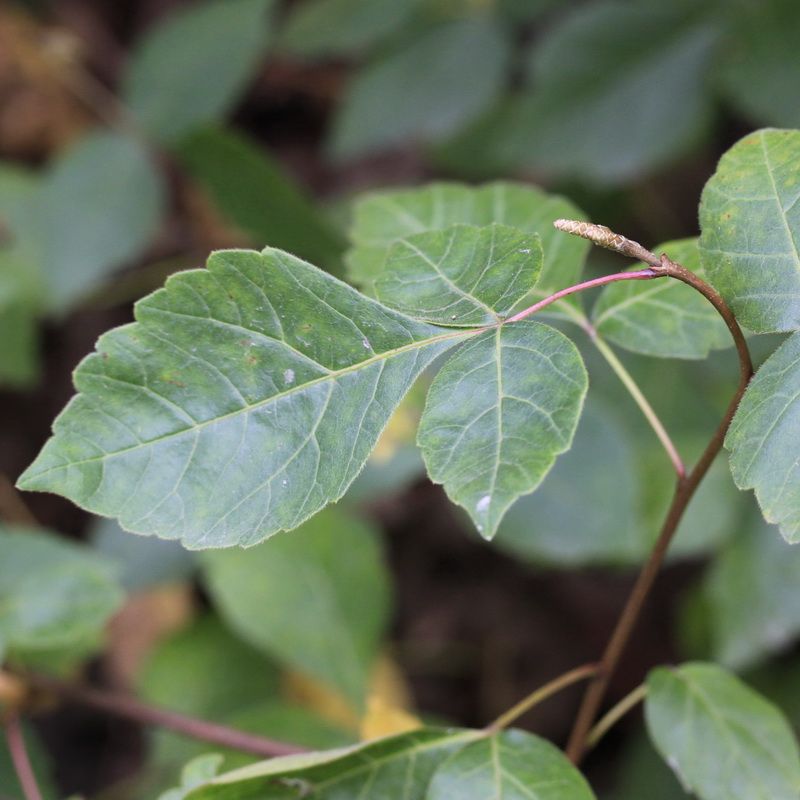
Rhus aromatica


Nomenclature
Common Name:
Synonym(s):
Genus species:
Family:
Anacardiaceae
Plant Specifics
Form:
Size:
Life Span:
long-lived perennial
Flower Color:
Fruit Color:
Phenology:
Noted For:
Landscaping
Recommended Uses:
Considerations:
Availability:
Propagation:
Light:
Moisture Tolerance:
Not wet but not extremely dry -to- Very long very dry periods
Salt Water Flooding
Tolerance:
Not salt tolerant of inundation by salty or brackish water
Salt Spray/Salty Soil Tolerance:
Some tolerance to salty wind but not direct salt spray
Soil or Other Substrate:
Sand, Loam
Soil pH:
Suitable to Grow In:
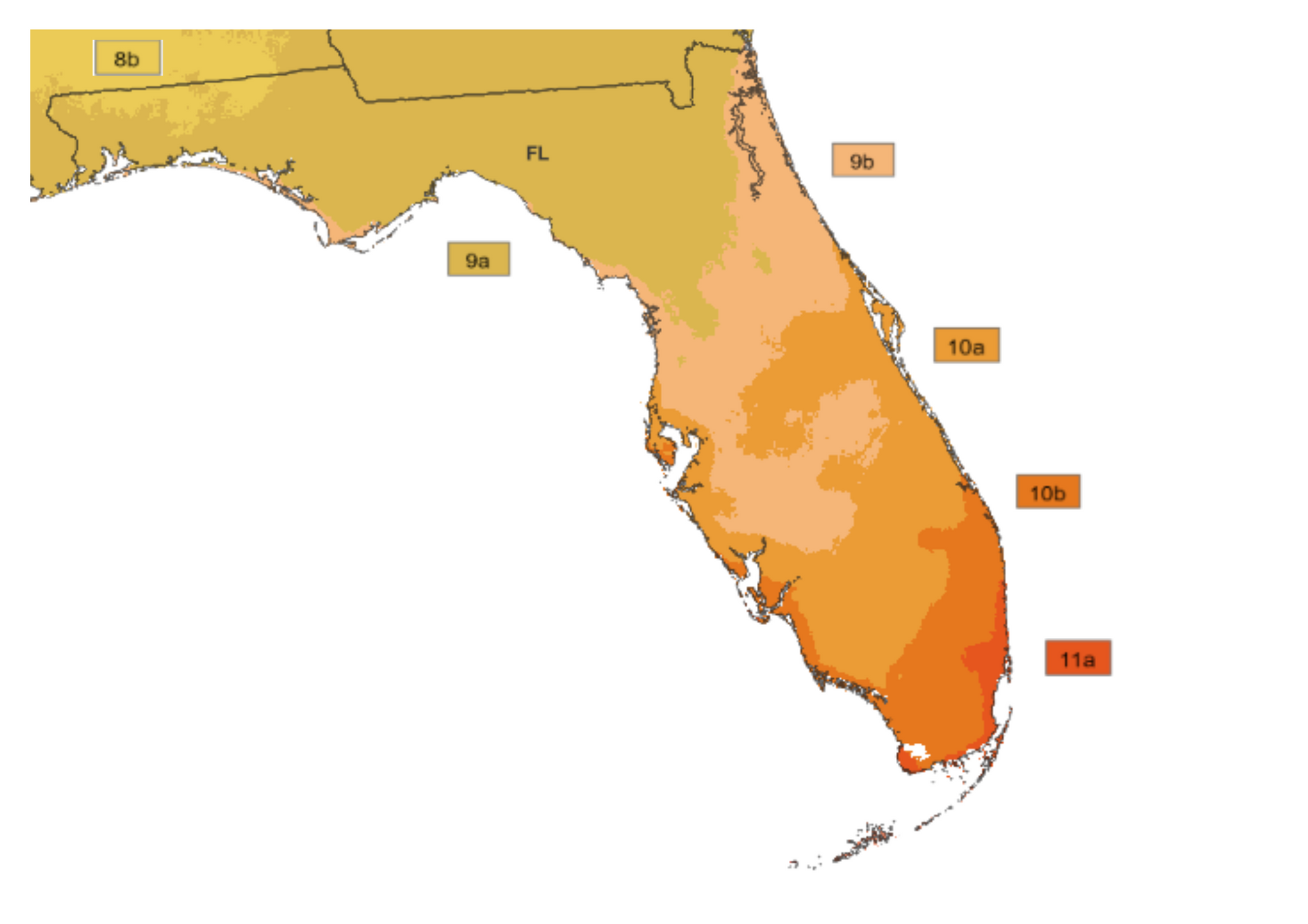
USDA zones are based on the average annual extreme minimum winter temperature.
Don't know your zone? Click here to search by zip code.
Vouchered In:
Ecology
Wildlife:
Primarily pollinated by bees.
Provides nesting, roosting and loafing cover for a variety of songbirds and game birds. Its fruit may not be the first choice of many kinds of wildlife, which allows it to persist into mid-winter for emergency use when other sources of food are covered by snow. Its twigs and foliage provide good deer browse. (excerpted from Kansas Forest Service description).
Native Habitats:
Comments:
Ethnobotany:
General Comments:


Citations:
University of Illinois Extension. (Undated). Fragrant Sumac ( Rhus aromatica ) [in] Selecting Shrubs for Your Home. ( https://web.extension.illinois.edu/shrubselector/detail_plant.cfm?PlantID=427). Accessed 2026. University of Illinois Extension, Urbana, IL.
Yiesla, Sharon. (2025). Fragrant sumac ( Rhus aromatica ). ( https://www.mortonarb.org/trees-plants/tree-plant-descriptions/fragrant-sumac). Accessed 2026. Morton Arboretum, Lisle, IL.
Taylor, Jane. (2004). Rhus aromatica , fragrant sumac. ( https://research.fs.usda.gov/feis/species-reviews/rhuaro). Accessed 2026. U.S. Forest Servivce, U.S. Department of Agriculture.
University of Tennessee Extension Service. (2010). Desired pH Range and salt tolerance of common nursery plants. ( https://plantsciences.tennessee.edu/wp-content/uploads/sites/25/2021/10/Desired-pH-Range-List.pdf). Accessed 2026. University of Tennessee Extension, Knoxville, TN.
Wunderlin, R. P, B. F. Hansen, A. R. Franck, and F. B. Essig. (1999+). Atlas of Florida Plants. ( https://florida.plantatlas.usf.edu/). [S. M. Landry and K. N. Campbell (application development), USF Water Institute.] Institute for Systematic Botany, University of South Florida, Tampa, FL.
