


FNPS Plant Database
Serenoa repens



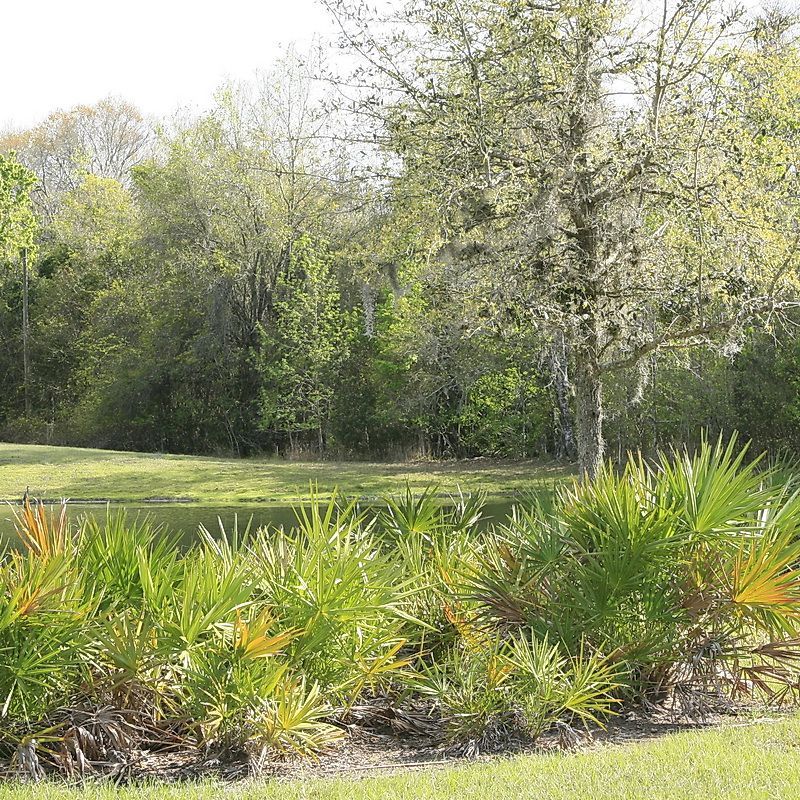
Nomenclature
Common Name:
Synonym(s):
Genus species:
Family:
Arecaceae (Palmae)
Plant Specifics
Form:
Size:
Life Span:
long-lived perennial
Flower Color:
Fruit Color:
Phenology:
Noted For:
Landscaping
Recommended Uses:
Considerations:
Availability:
Propagation:
Light:
Moisture Tolerance:
Usually moist, occasional inundation -to- Very long very dry periods
Salt Water Flooding
Tolerance:
Not salt tolerant of inundation by salty or brackish water
Salt Spray/Salty Soil Tolerance:
Moderate. Tolerant of salty wind and may get some salt spray
Soil or Other Substrate:
Sand, Loam
Soil pH:
Suitable to Grow In:
8A,8B,9A,9B,10A,10B,11
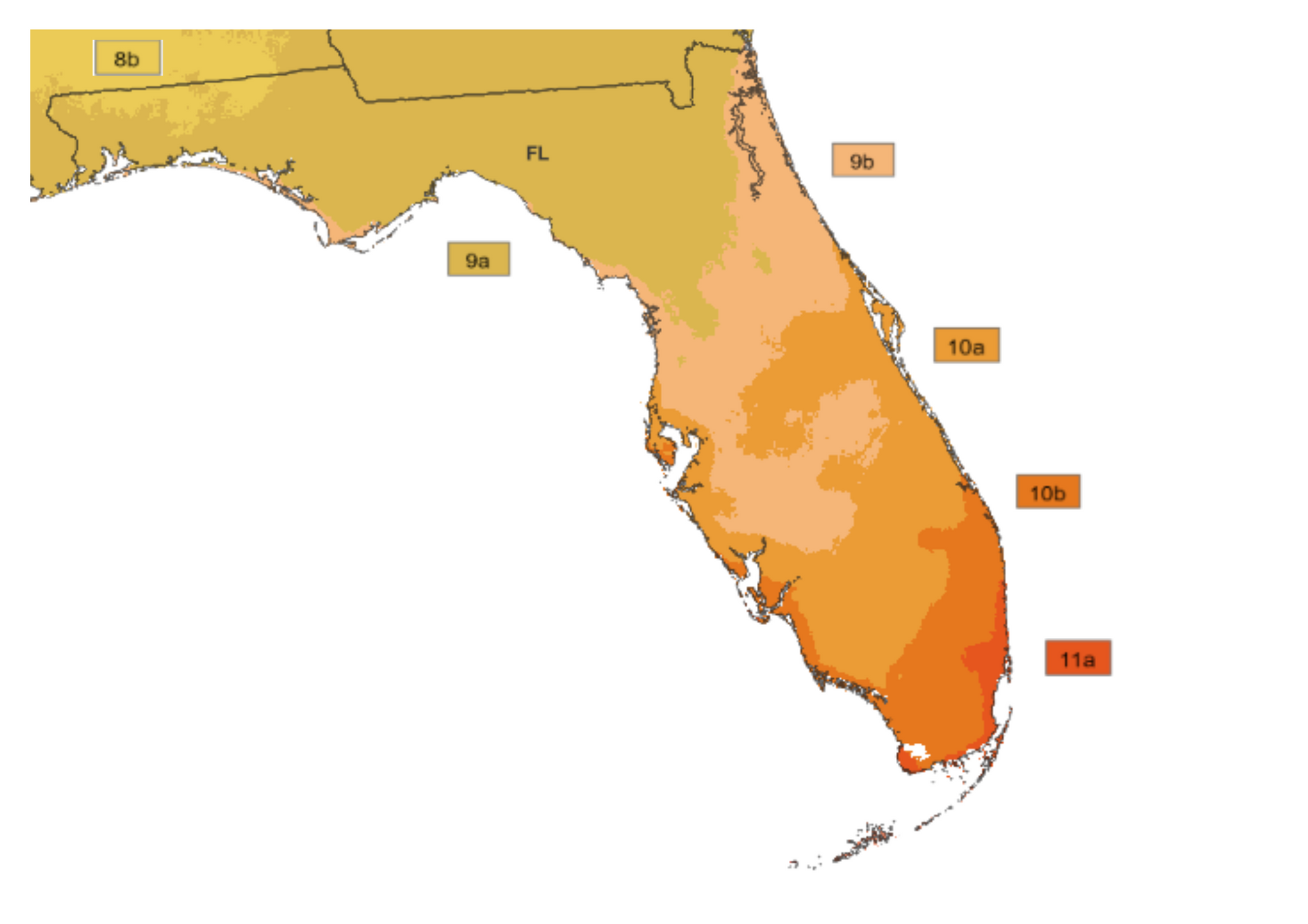
USDA zones are based on the average annual extreme minimum winter temperature.
Don't know your zone? Click here to search by zip code.
Vouchered In:
Ecology
Wildlife:
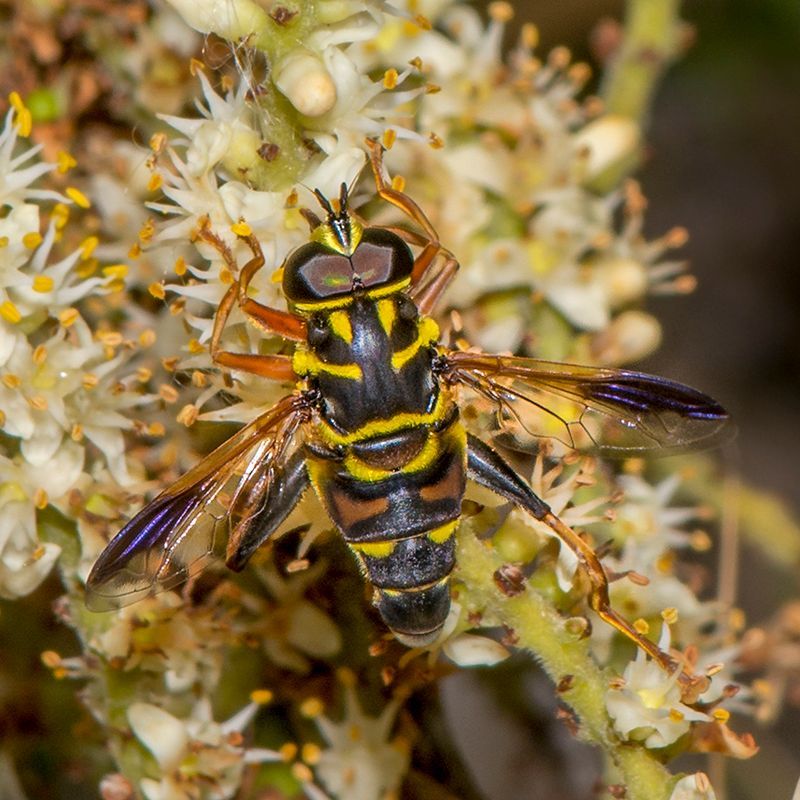
Larval host plant for monk skipper ( Asbolis capucinus ) and palmetto skipper ( Euphyes arpa butterflies. Nectar plant for Bartram's scrub-hairstreak ( Strymon acis ), atala ( Eumaes atala ) and other butterflies. Documented bees visiting the plant include Colletes banksi, C. brimleyi, C. mandibularis, C. rzudus, Colletes sp. A, Hylaeus graenicheri, Agaposternon splendens, Augochlora pura, Augochlorella aurata, Augochloropsis metallica, A. sumptuosa, Lassioglossum miniatulum, L. nymphale, L. tarponense, L. tegulare, Evylaeus pectoralis, Halictus ligatus, Sphecodes heraclei, Coelioxys sayi, Dianthidium floridiense, Megachile policaris, M. xylocopoides, Epeolus erigeronis, E. glabratus, E. zonatus, Apis mellifera, Bombus impatiens, B. pennsylvanicus , and Xylocopa virginica krombeini (Deyrup et al. 2002). Another study documented 311 species of flower visitors including 121 species of bees, 117 species of flies, and 52 species of beetles (Deyrup and Deyrup 2012). Saw palmetto also attracts Syrphid flies including the flower fly, Meromacrus acutus , which apparently is a saw palmetto specialist (John Lampkin, 2019).
Palmetto berries are important bear food. More than 100 bird species, 27 mammals, 25 amphibians, 61 reptiles, and countless insects use it as food and/or cover (Maehr and Layne 1996). As Maehr and Layne summarize, “ If saw palmetto is not the plant species most highly used by Florida wildlife, it certainly is in close contention for that honor.”.
Native Habitats:
Comments:
Ethnobotany:
General Comments:
Citations:
Austin, Daniel F. (2004). Florida Ethnobotany. CRC Press, Boca Raton, FL.
Deyrup, Mark, Jay Edirisinghe, and Beth Norden. (2002). The diversity and floral hosts of bees at the Archbold Biological Station, Florida (Hymenoptera: Apoidea). Insecta Mundi, 544. ( https://digitalcommons.unl.edu/insectamundi/544/). Accessed 2026.
Deyrup, Mark, and Leif Deyrup. (2012). The Diversity of Insects Visiting Flowers of Saw Palmetto (Arecaceae). The Florida Entomologist. 95. 711-730.
Foster, Steven. (2025). Saw Palmetto in Commerce. ( https://www.sustainableherbsinitiative.org/herb/saw-palmetto-1/). Accessed 2026. Sustainable Herbs Initiative.
Foster, Steven. (2025). Saw Palmetto Sustainability. ( https://www.sustainableherbsinitiative.org/herb/saw-palmetto-sustainability/). Accessed 2026. Sustainable Herbs Initiative.
Haehle, Robert G. and Joan Brookwell. (1999). Native Florida Plants. Gulf Publishing Company. Houston, TX.
Hammer, Roger. (2015). Attracting Hummingbirds and Butterflies in Tropical Florida. University Press of Florida, Gainesville, FL.
Huegel, Craig N. (2010). Native Plant Landscaping for Florida Wildlife. University Press of Florida, Gainesville, FL.
Minno, Marc, and Maria Minno. (1999). Florida Butterfly Gardening: A Complete Guide to Attracting, Identifying, and Enjoying Butterflies. University Press of Florida, Gainesville, FL.
Minno, M., J. Butler, and D. Hall. (2005). Florida Butterfly Caterpillars and Their Host Plants. University Press of Florida, Gainesville, FL.
Nelson, Gil. (2003). Florida's Best Landscape Plants: 200 Readily Available Species for Homeowners and Professionals. University Press of Florida, Gainesville, FL.
Pereira, Vânia, Mica McMillan, Wagner Vendrame, and Kara McCoy. (2025). Serenoa repens: Saw Palmetto. FPS-547/FP547. ( https://edis.ifas.ufl.edu/publication/fp547). Accessed 2026. Dept. of Environmental Horticulture, Institute of Food and Agricultural Sciences, University of Florida, Gainesville, FL.
Takahashi, MK, Horner LM, Kubota T, Keller NA, Abrahamson WG. (2011). Extensive clonal spread and extreme longevity in saw palmetto, a foundation clonal plant. Molecular Ecology, 20: 3730-3742. ( https://doi.org/10.1111/j.1365-294X.2011.05212.x). Accessed 2026.
Tibbets, Drue. (2012). Information on Saw Palmetto Plants. https://www.weekand.com/home-garden/article/information-saw-palmetto-plants-18006076.php). Accessed 2026. Home Guides, Hearst Newspapers, NY.
Wunderlin, R. P, B. F. Hansen, A. R. Franck, and F. B. Essig. (1999+). Atlas of Florida Plants. ( https://florida.plantatlas.usf.edu/). [S. M. Landry and K. N. Campbell (application development), USF Water Institute.] Institute for Systematic Botany, University of South Florida, Tampa, FL.
