


FNPS Plant Database
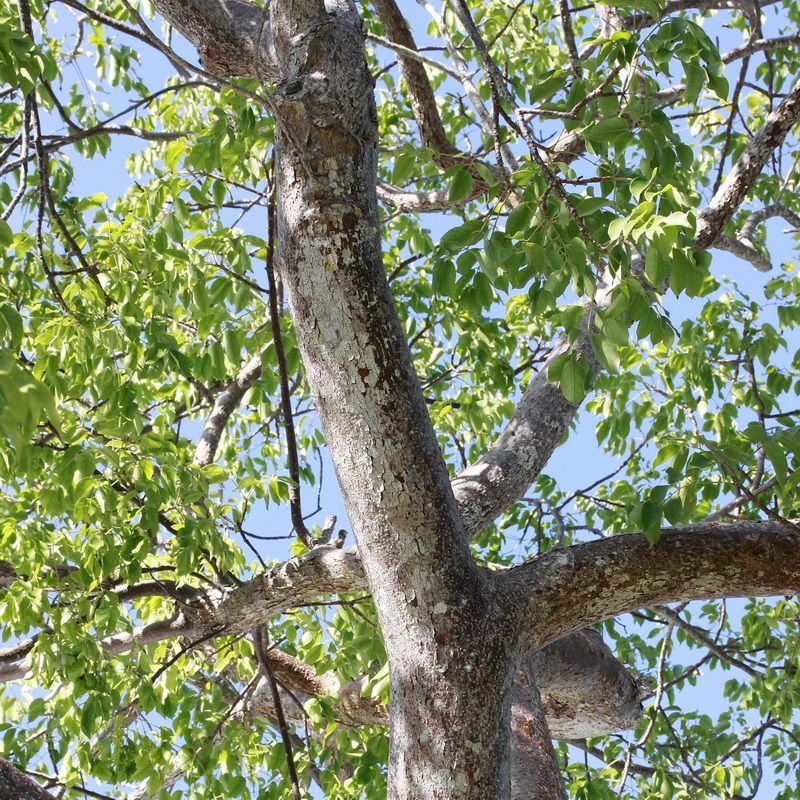
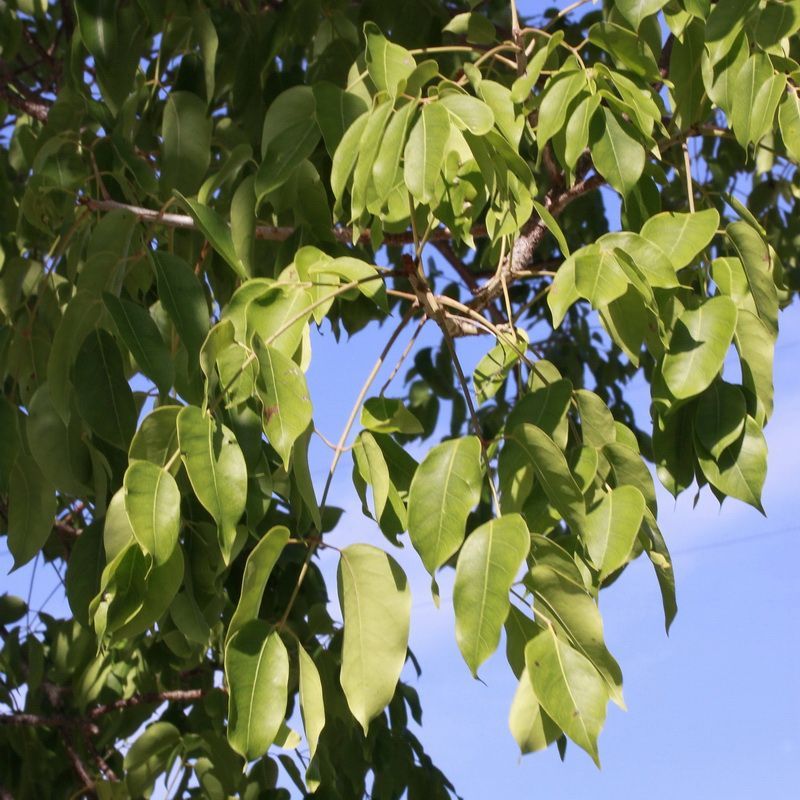
Swietenia mahagoni
Nomenclature
Common Name:
Synonym(s):
Genus species:
Family:
Meliaceae
Plant Specifics
Form:
Size:
Life Span:
long-lived perennial
Flower Color:
Fruit Color:
Phenology:
Noted For:
Landscaping
Recommended Uses:
Considerations:
Availability:
Propagation:
Light:
Moisture Tolerance:
Somewhat moist, no flooding -to- Short very dry periods
Salt Water Flooding
Tolerance:
Not salt tolerant of inundation by salty or brackish water
Salt Spray/Salty Soil Tolerance:
High. Can tolerate significant and ongoing amounts of salt
Soil or Other Substrate:
Sand, Clay, Loam, Lime Rock
Soil pH:
Suitable to Grow In:
10A,10B,11
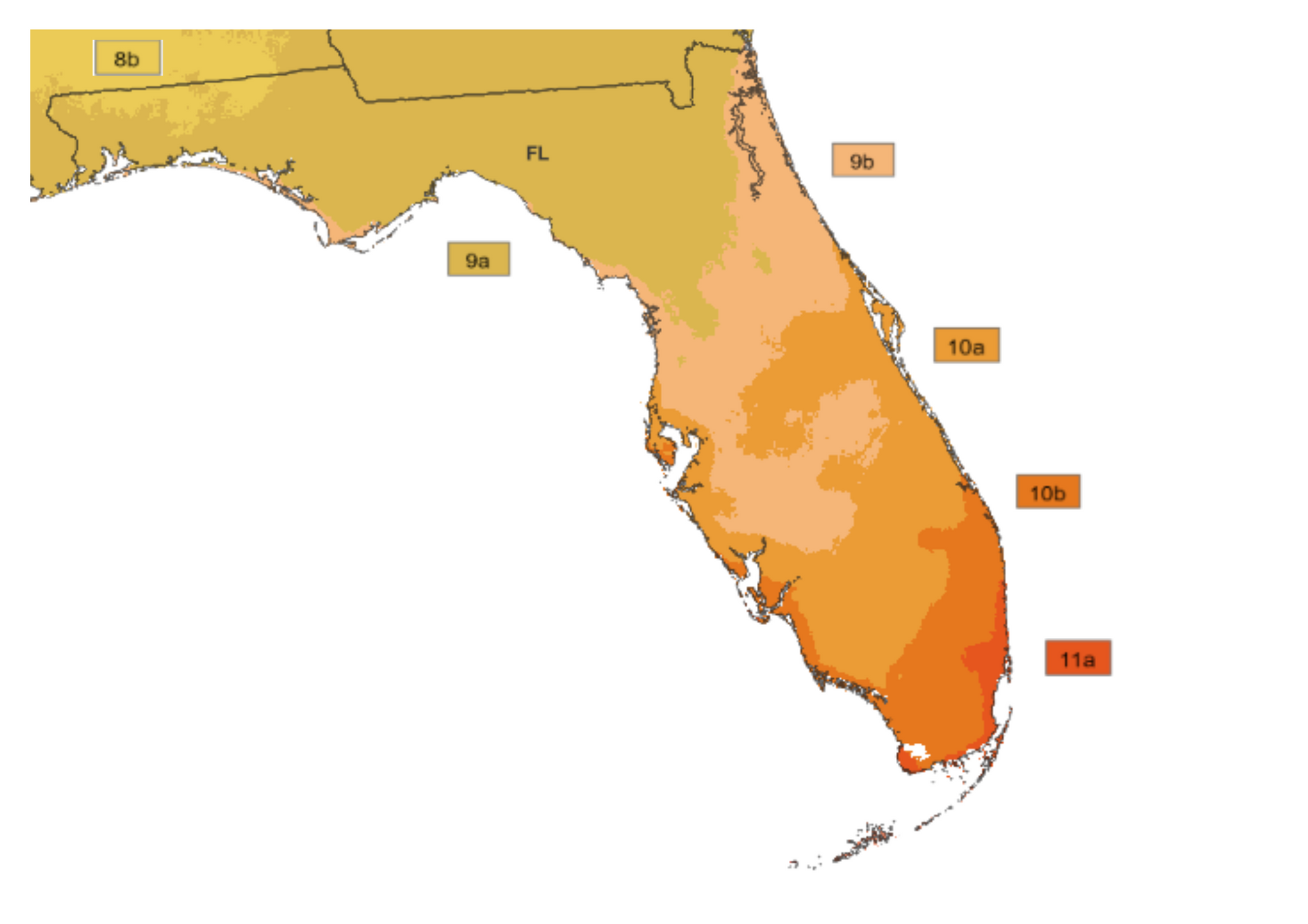
USDA zones are based on the average annual extreme minimum winter temperature.
Don't know your zone? Click here to search by zip code.
Vouchered In:
Ecology
Wildlife:
Attracts a diverse community of small butterflies and moths. Many species of ants, thrips, small beetles, flies, bees, and wasps also visit flowers, many of these feeding on the basal nectary.
Native Habitats:
Comments:
Ethnobotany:
General Comments:


Citations:
Gann, G.D., C.J. Abbott, C.G. Stocking, K.N. Hines, and collaborators. (2001+). West Indian Mahogany, Cuban Mahogany [in] Natives For Your Neighborhood. ( https://www.regionalconservation.org/beta/nfyn/plantdetail.asp?tx=Swiemaha). Accessed 2026. The Institute for Regional Conservation. Delray Beach, FL.
Haehle, Robert G. and Joan Brookwell. (1999). Native Florida Plants. Gulf Publishing Company. Houston, TX.
Nelson, Gil. (2003). Florida's Best Landscape Plants: 200 Readily Available Species for Homeowners and Professionals. University Press of Florida, Gainesville, FL.
Norghauer, J.M., A.R. Martin, E.E. Mycroft, A. James, and S.C. Thomas. (2011). Island invasion by a threatened tree species: evidence for natural enemy release of mahogany ( Swietenia macrophylla ) on Dominica, Lesser Antilles. PloS one, 6(4), e18790. ( https://doi.org/10.1371/journal.pone.0018790). Accessed 2026.
Osorio, Rufino. (2001). A Gardener's Guide to Florida's Native Plants. University Press of Florida, Gainesville, FL.
Plants for a Future (Undated). Swietenia mahagoni Mahogany. ( https://pfaf.org/user/Plant.aspx?LatinName=Swietenia+mahagoni). Accessed 2026. Plants for a Future, Exeter, Devon, UK.
UF/IFAS Center for Land Use Efficiency. (Undated). Mahogany. ( https://gardeningsolutions.ifas.ufl.edu/plants/trees-and-shrubs/trees/mahogany/). Accessed 2026. Center for Land Use Efficiency, Institute of Food and Agricultural Sciences, University of Florida, Gainesville, FL.
Watkins, John, and Thomas Sheehan. (1975). Florida Landscape Plants, Native and Exotic. University Presses of Florida, Gainesville, FL.
Wunderlin, R. P., B. F. Hansen, A. R. Franck, and F. B. Essig. (1999+). Atlas of Florida Plants. ( https://florida.plantatlas.usf.edu/). [S. M. Landry and K. N. Campbell (application development), USF Water Institute.] Institute for Systematic Botany, University of South Florida, Tampa, FL.
