


FNPS Plant Database
Tripsacum dactyloides

Nomenclature
Common Name:
Synonym(s):
Genus species:
Family:
Poaceae (Gramineae)
Plant Specifics
Form:
Size:
Life Span:
long-lived perennial
Flower Color:
Fruit Color:
Phenology:
Noted For:
Landscaping
Recommended Uses:
Considerations:
Availability:
Propagation:
Light:
Moisture Tolerance:
Usually moist, occasional inundation -to- Not wet but not extremely dry
Salt Water Flooding
Tolerance:
Not salt tolerant of inundation by salty or brackish water
Salt Spray/Salty Soil Tolerance:
Some tolerance to salty wind but not direct salt spray
Soil or Other Substrate:
Sand, Loam
Soil pH:
Suitable to Grow In:
8A,8B,9A,9B,10A,10B
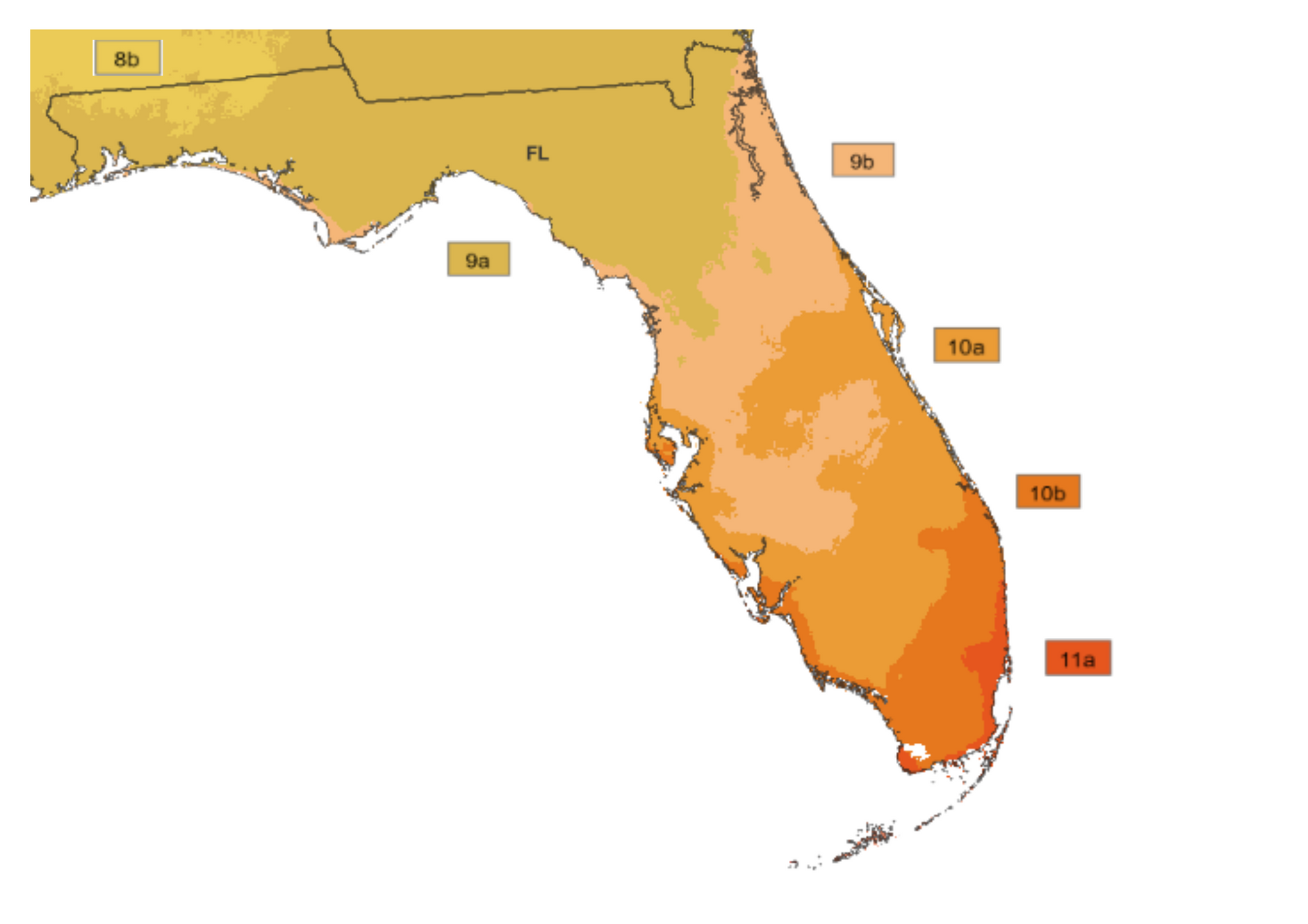
USDA zones are based on the average annual extreme minimum winter temperature.
Don't know your zone? Click here to search by zip code.
Vouchered In:
Ecology
Wildlife:
Larval host for Three-spotted Skipper ( Cymaenes tripunctus ), Clouded Skipper ( Lerema accius ) and Byssus Skipper ( Problema byssus ).
Even when trimmed occasionally, Gama Grass will provide cover for small mammals, birds, and reptiles. Deer eat the seeds.
Native Habitats:
Comments:
Ethnobotany:
General Comments:


Citations:
Huegel, Craig N. (2012). Native Wildflowers and Other Ground Covers for Florida Landscapes. University Press of Florida, Gainesville, FL.
Minno, Marc, and Maria Minno. (1999). Florida Butterfly Gardening: A Complete Guide to Attracting, Identifying, and Enjoying Butterflies. University Press of Florida, Gainesville, FL.
Minno, M., J. Butler, and D. Hall. (2005). Florida Butterfly Caterpillars and Their Host Plants. University Press of Florida, Gainesville, FL.
Nelson, Gil. (2003). Florida's Best Landscape Plants: 200 Readily Available Species for Homeowners and Professionals. University Press of Florida, Gainesville, FL.
Osorio, Rufino. (2001). A Gardener's Guide to Florida's Native Plants. University Press of Florida, Gainesville, FL.
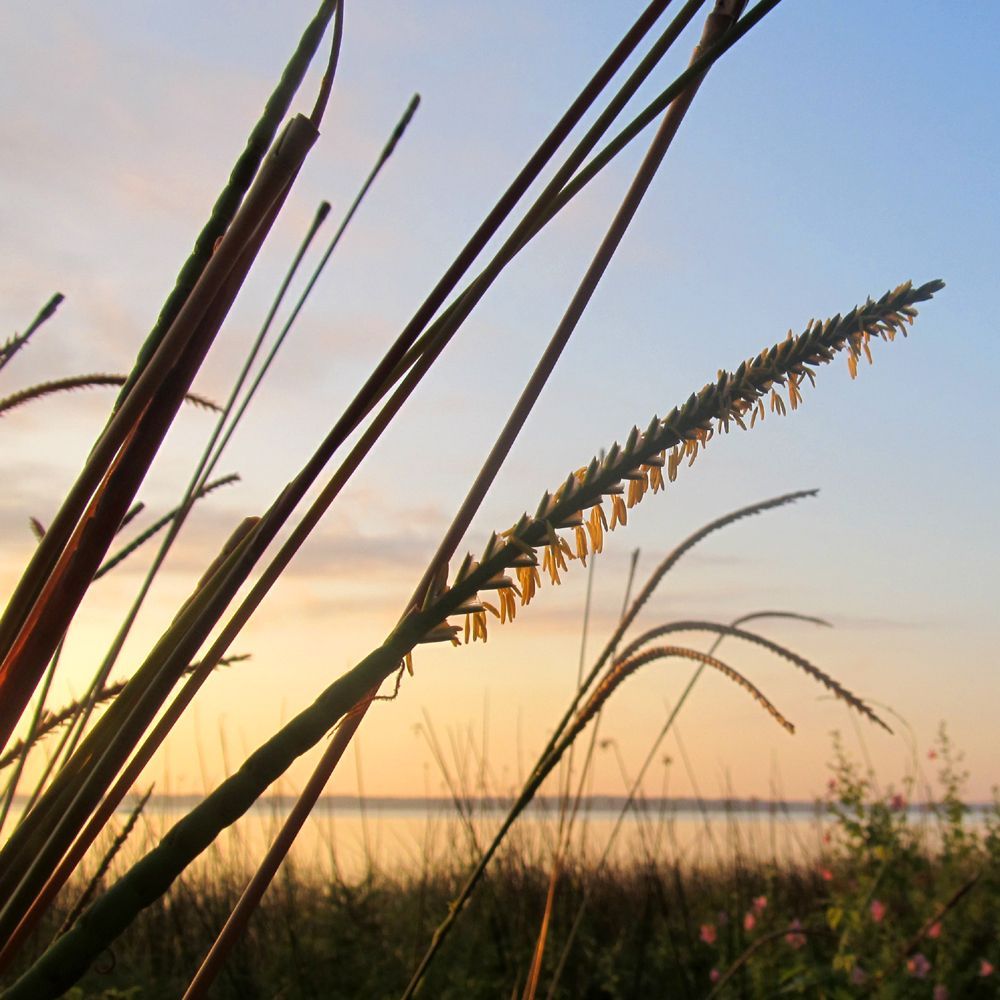
Stibolt, Giny. Personal observation: " Tripsacum dactyloides IS salt tolerant. I had it growing in Maryland right at the shoreline in the Brackish Chesapeake Bay and this sunrise photo is on the St. Johns River in Jacksonville where the river is also brackish as the tides roll in from the Atlantic. Mesohaline (14.5 parts per 1000) according to the map in this article: http://sjrr.domains.unf.edu/2-8-salinity/ I took [the photo on the FNPS website] at JAX NAS (Jacksonville Naval Air Station) inside the [Interstate] 295 beltway, well into the bright green area. Yes, it’s not growing right in the flats, but only about a foot higher and this river floods often enough that it wouldn’t grow there if it were not salt tolerant."
Wunderlin, R. P., B. F. Hansen, A. R. Franck, and F. B. Essig. (1999+). Atlas of Florida Plants. ( https://florida.plantatlas.usf.edu/). [S. M. Landry and K. N. Campbell (application development), USF Water Institute.] Institute for Systematic Botany, University of South Florida, Tampa.
