


Monarchs & Milkweed
in Florida
Supporting a threatened species through native plants
© Photo by Susan Earley, Suncoast Chapter
The Iconic Monarch Butterfly
Monarch butterflies (Danaus plexippus) are among the most recognized and beloved pollinators in North America. Their remarkable long-distance migrations and dependence on milkweed plants for reproduction have captured the attention of scientists, gardeners, and conservationists alike.
But monarchs are in trouble. Over the past few decades, monarch populations have declined dramatically—due to habitat loss, climate change, disease, and well-intentioned but misguided gardening practices.
To truly help monarchs, especially in Florida, it’s critical that we understand the challenges they face and take informed action—starting with native milkweed.
Monarchs Need Milkweed to Survive
Milkweeds (Asclepias spp.) are the only host plants that monarch caterpillars can eat. Female monarchs lay their eggs exclusively on milkweed, and once hatched, the larvae feed on the leaves. This close relationship makes the availability and quality of milkweed essential to monarch survival.
Florida is home to approximately 20 species of native milkweed. These plants have evolved with local wildlife, bloom at appropriate times, and go dormant during winter—naturally supporting the monarch’s migratory life cycle.
The Problem with Tropical Milkweed
Unfortunately, many people unknowingly plant non-native tropical milkweed (Asclepias curassavica) in an effort to help monarchs. Sold widely in garden centers nurseries, and big box stores, tropical milkweed stays green year-round in Florida's warm climate, which disrupts the monarch's natural migratory behavior.
This year-round availability has led to a number of unintended consequences:
1. Disrupted Migration
Tropical milkweed can cause monarchs to linger in Florida year-round instead of migrating, especially in southern parts of the state. This sedentary behavior may interfere with their internal cues for reproduction and overwintering.
2. Increased Disease Risk
Tropical milkweed also promotes the spread of a debilitating parasite called (OE) (Ophryocystis elektroscirrha). OE spores build up on plants over time. Because tropical milkweed does not die back seasonally like native milkweeds do, OE accumulates—infecting successive generations of monarchs. Infected butterflies can be weakened, deformed, or unable to fly.
Scientific source:
Satterfield et al. (2015) found that the year-round availability of tropical milkweed increases OE infection rates and disrupts monarch migration in the southeastern U.S.
Satterfield, D.A., et al. (2015). Loss of migratory behavior increases infection risk for a butterfly host. Proceedings of the Royal Society B, 282(1801).
DOI:10.1098/rspb.2014.1734
3. Genetic Isolation and Population Bottlenecks
When monarchs overwinter in non-traditional areas like Florida due to the presence of tropical milkweed, they may become reproductively isolated from migratory populations, leading to reduced genetic diversity and resilience.
4. Climate Change and Habitat Loss
In addition to problems caused by tropical milkweed and disease, monarchs are increasingly affected by climate change and habitat destruction:
- Rising temperatures can alter migration timing, reproductive behavior, and survival rates.
- Droughts and extreme weather events can destroy milkweed habitat and reduce nectar availability.
- Urbanization and agricultural intensification have led to widespread loss of native plants, including milkweed, across the monarch's breeding and migratory corridors.
According to the Xerces Society:
"The western monarch population has declined by more than 99% since the 1980s, and the eastern population has declined by more than 80%." Xerces Society: Monarch Butterfly Conservation
What You Can Do: Plant Native, Be Part of the Solution
Helping monarchs in Florida begins with planting native milkweed and supporting healthy, biodiverse ecosystems.
Plant Native Milkweed Species
- Choose regionally appropriate species like Swamp milkweed (Asclepias incarnata), Butterflyweed (Asclepias tuberosa), Aquatic Milkweed (Asclepias perennis), and Pinewoods Milkweed (Asclepias humistrata).
- Do not plant Tropical milkweed (Asclepias curassavica). If already planted, remove it.
Create a Monarch-Friendly Garden
- Include a variety of nectar plants to support adult monarchs and other pollinators.
- Do not use pesticides and herbicides.
- Let your garden reflect natural rhythms—seasonal dieback and diversity are part of a healthy ecosystem.
Sanitize and Monitor for Disease
- If you suspect OE infection, contact a local butterfly expert or extension agent.
- Encourage community awareness about OE and the importance of native plants.
Together, we can create habitats, prevent disease, and ensure that future generations will experience the wonder of the monarch butterfly.
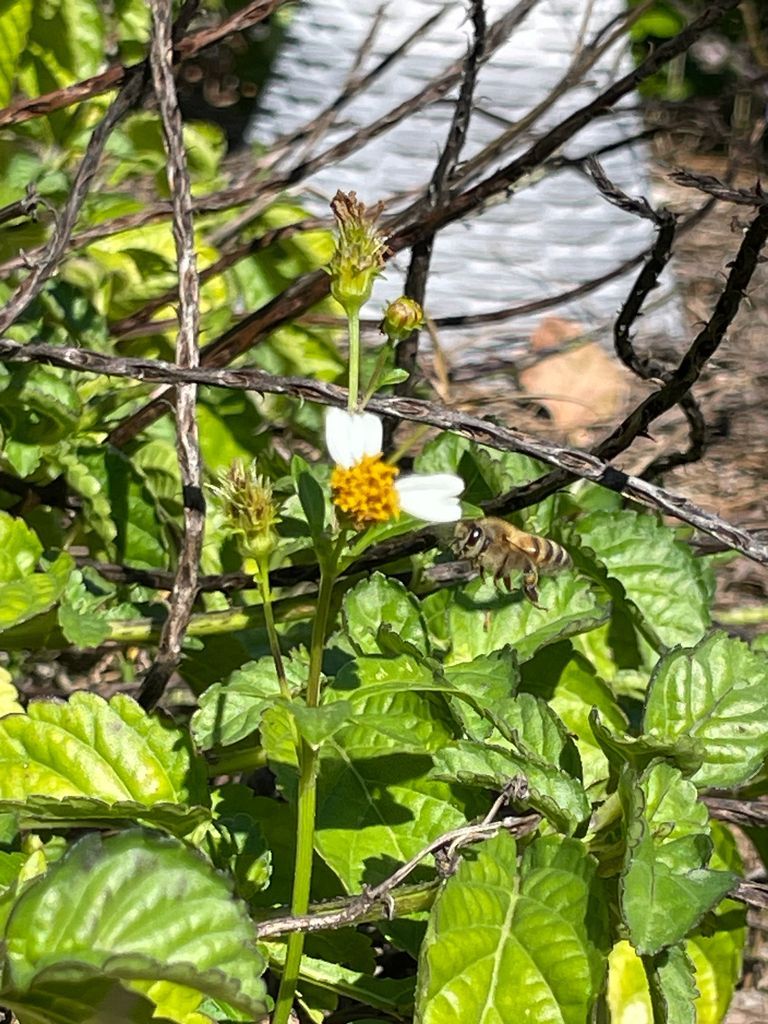
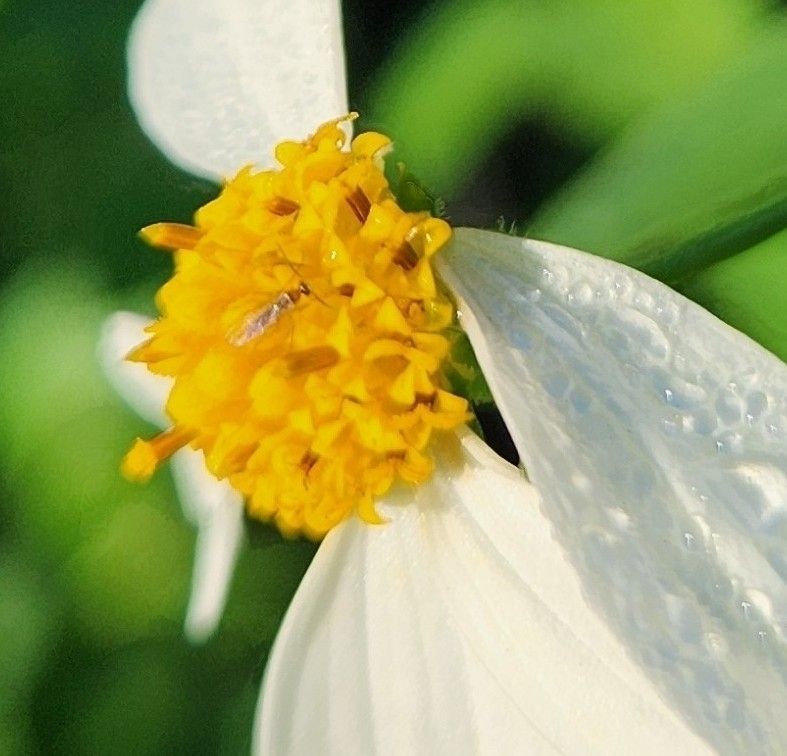
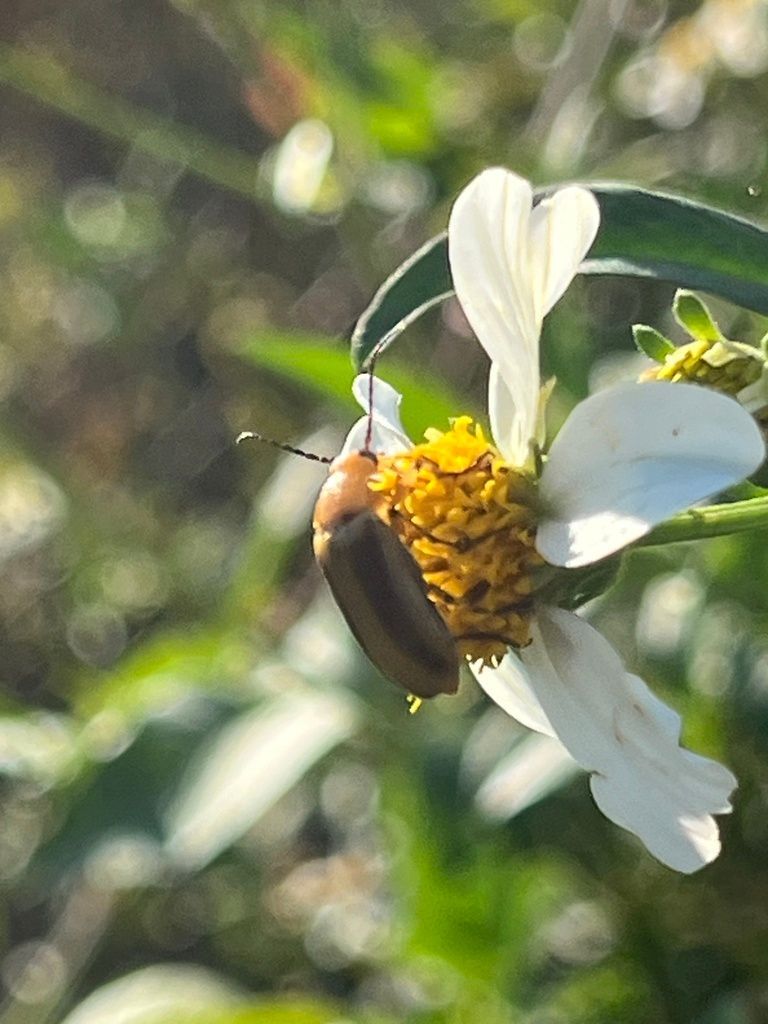
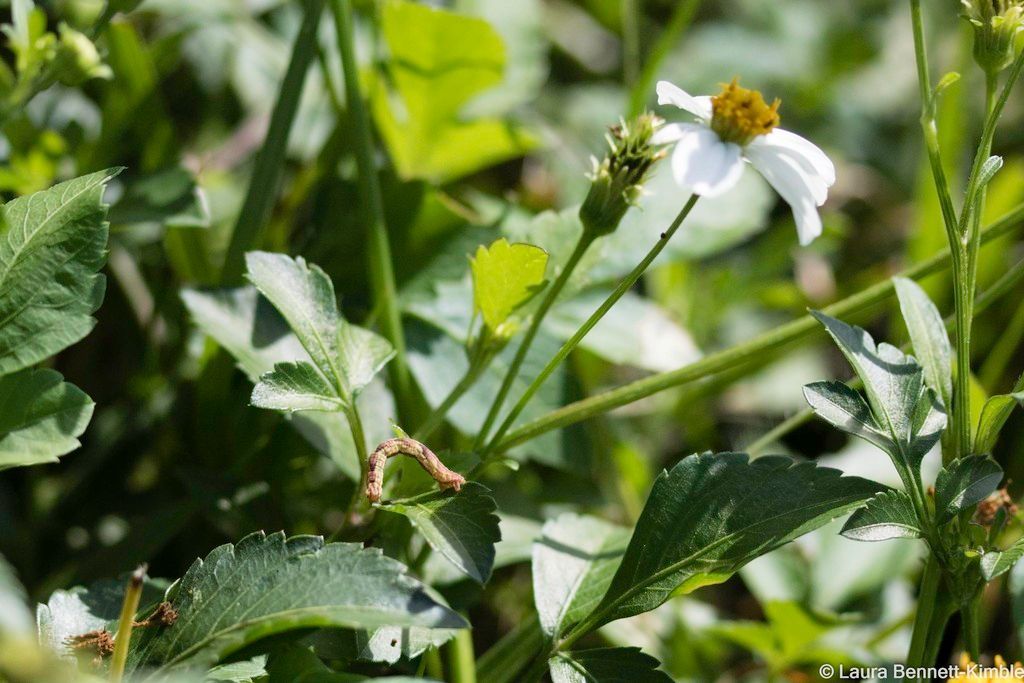
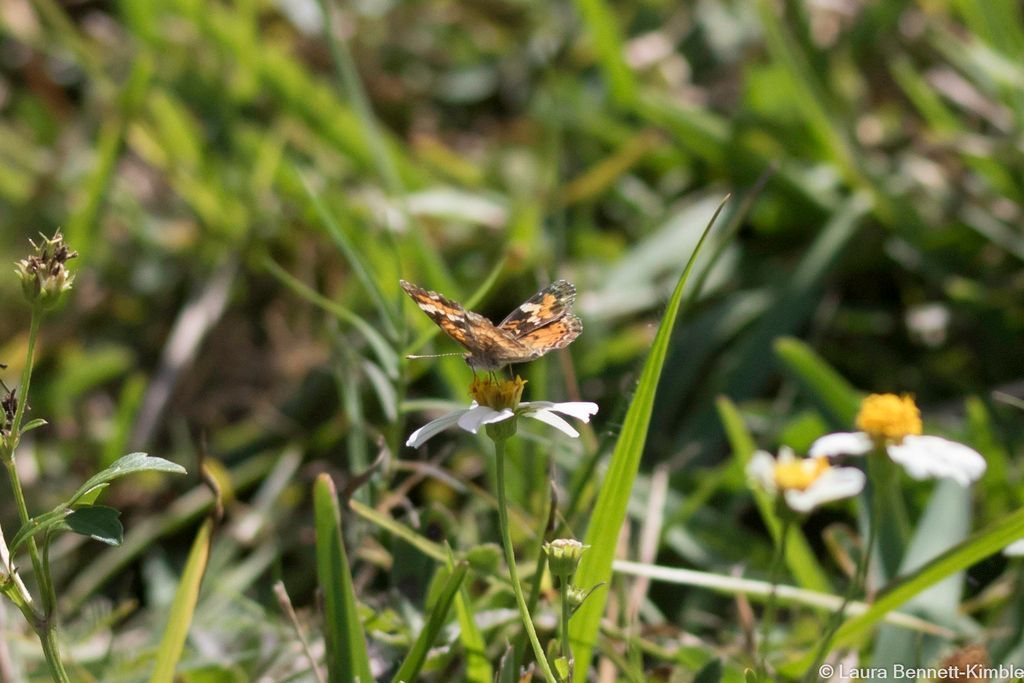
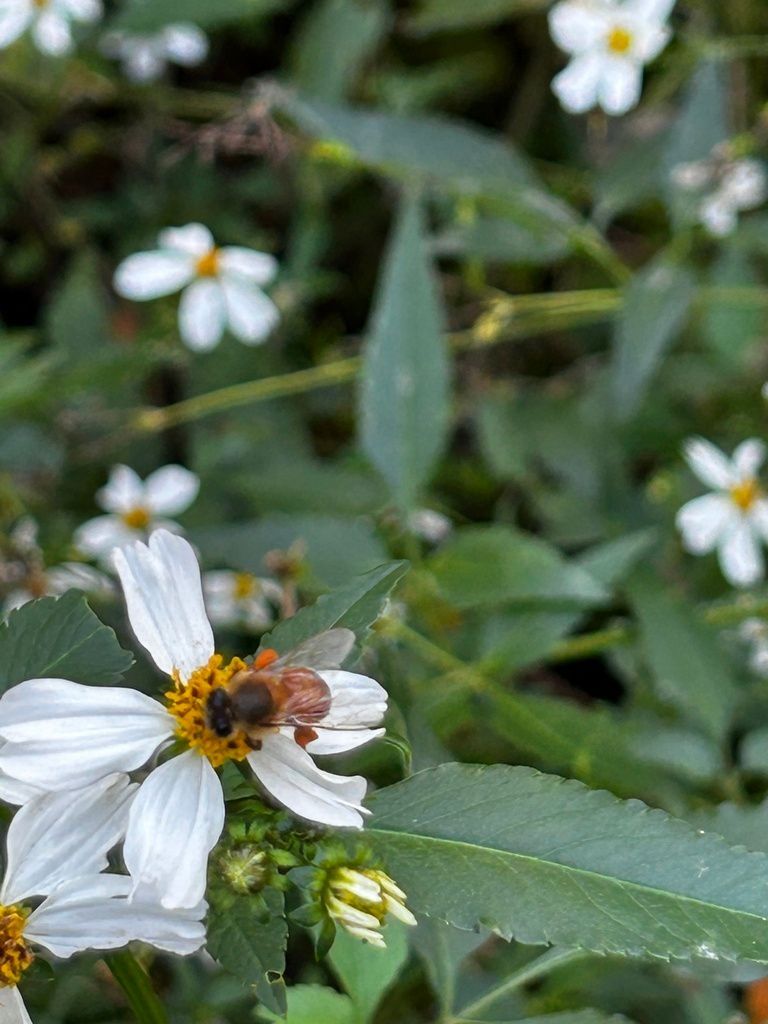
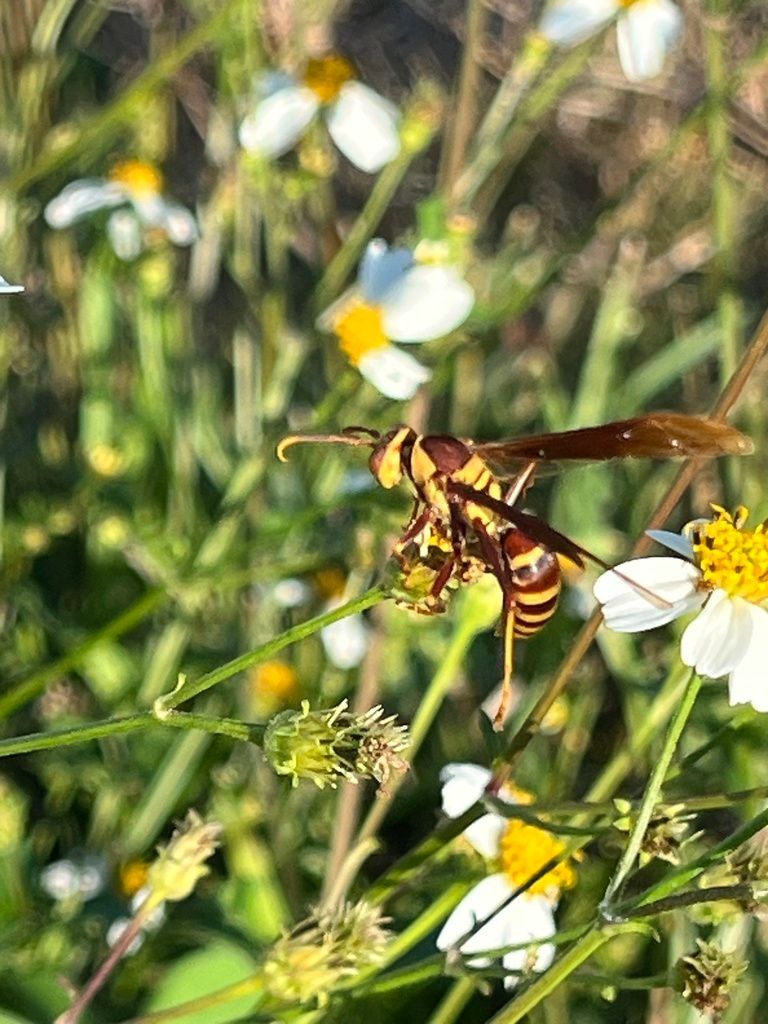
Photographs belong to the photographers who allow use for FNPS purposes only.
More Monarch & Milkweed Information
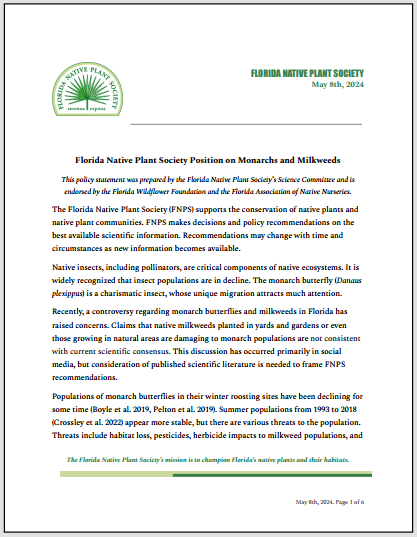
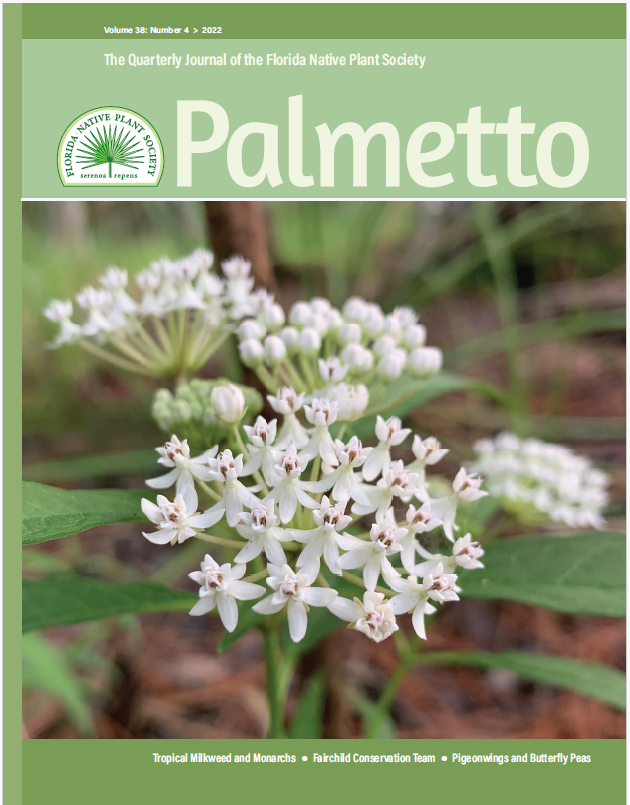
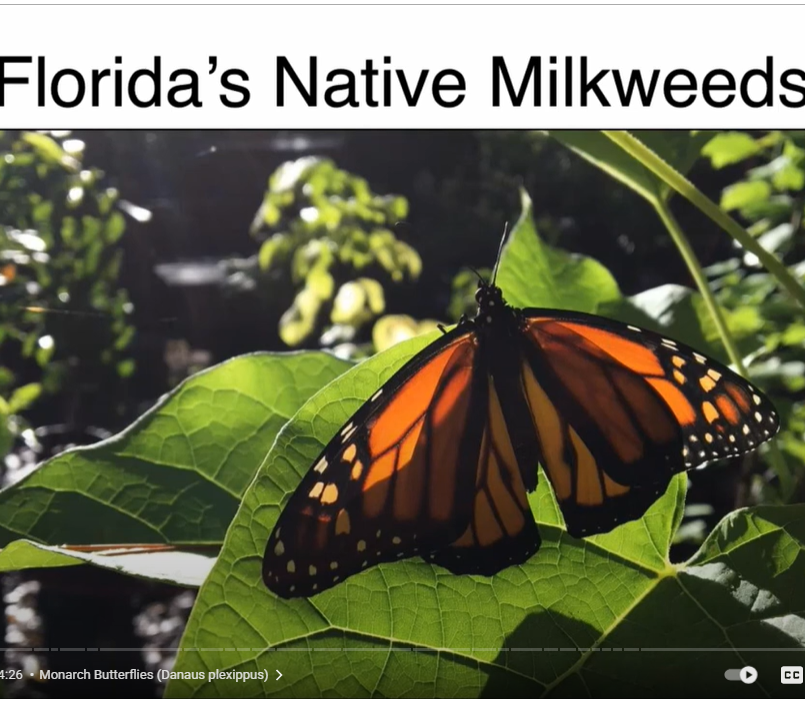
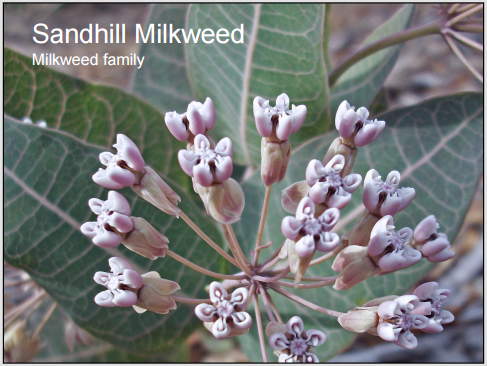
So many native milkweeds! No two are the same.
| Scientific Name | Common Name | Region (Native Range) | Habitat Type | Monarch Host Suitability |
|---|---|---|---|---|
| Asclepias amplexicaulis | Clasping milkweed | North & Central FL | Sandhills, open pinewoods | High |
| Asclepias cinerea | Carolina milkweed | Panhandle, North FL | Dry flatwoods, sandhills, bog edges | High |
| Asclepias connivens | Largeflower milkweed | North & Central FL | Wet flatwoods, savannas | High |
| Asclepias curtissii | Curtiss' milkweed | Central & South FL | Scrub, sandhills | Moderate |
| Asclepias feayi | Florida milkweed | Central & South FL | Scrub, coastal uplands | Moderate |
| Asclepias humistrata | Pinewoods milkweed | Statewide except far south | Dry sandy soils, pinewoods | High |
| Asclepias incarnata | Swamp milkweed | Statewide | Wetlands, pond margins | High |
| Asclepias lanceolata | Fewflower milkweed | Statewide | Wet prairies, marshes | High |
| Asclepias longifolia | Longleaf milkweed | North & Central FL | Wet pine flatwoods | High |
| Asclepias michauxii | Michaux's milkweed | North FL | Flatwoods, savannas | High |
| Asclepias obovata | Pineland milkweed | Central & North FL | Sandhills, pinewoods | High |
| Asclepias pedicellata | Savannah milkweed | North & Central FL | Wet flatwoods | Moderate |
| Asclepias perennis | Aquatic milkweed | Statewide | Ponds, ditches, slow streams | High |
| Asclepias rubra | Red milkweed | North FL | Wet meadows, savannas | High |
| Asclepias tomentosa | Tuba milkweed | North FL | Dry uplands, pinewoods | Moderate |
| Asclepias tuberosa | Butterfly weed | Statewide | Sandhills, roadsides, open areas | High |
| Asclepias variegata | Redring milkweed | North & Central FL | Mesic woods, forest edges | Moderate |
| Asclepias verticillata | Whorled milkweed | North FL | Dry uplands, pinewoods | Moderate |
| Asclepias viridiflora | Green comet milkweed | North FL | Open woods, roadsides | Moderate |
| Asclepias viridis | Green antelopehorn | North & Panhandle FL | Pastures, open fields | High |
| Asclepias viridula | Southern milkweed | South FL | Flatwoods, wet prairies | Moderate |

