

FNPS Plant Database
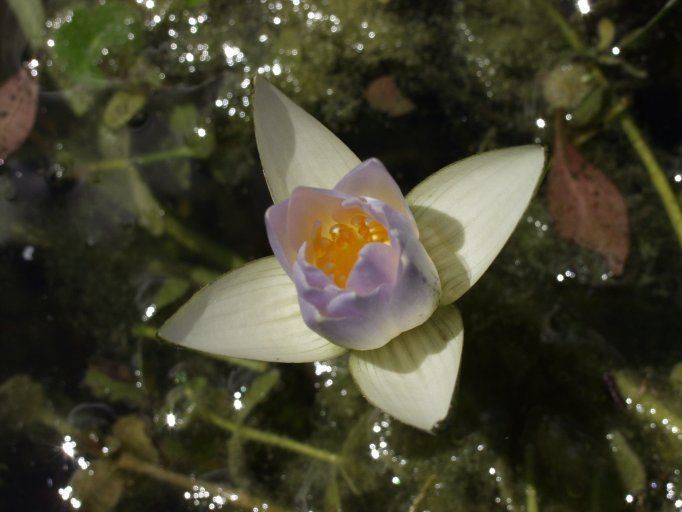
Nymphaea elegans
Nomenclature
Common Name:
Synonym(s):
Genus species:
Family:
Nymphaeaceae
Plant Specifics
Form:
Size:
Life Span:
long-lived perennial
Flower Color:
Fruit Color:
Phenology:
Noted For:
Landscaping
Recommended Uses:
Considerations:
Availability:
Propagation:
Light:
Moisture Tolerance:
Aquatic -to- Aquatic
Salt Water Flooding
Tolerance:
Not salt tolerant of inundation by salty or brackish water
Salt Spray/Salty Soil Tolerance:
Low/no tolerance of salty wind or direct salt spray
Soil or Other Substrate:
Sand, Loam
Soil pH:
Suitable to Grow In:
8A,9B,10A
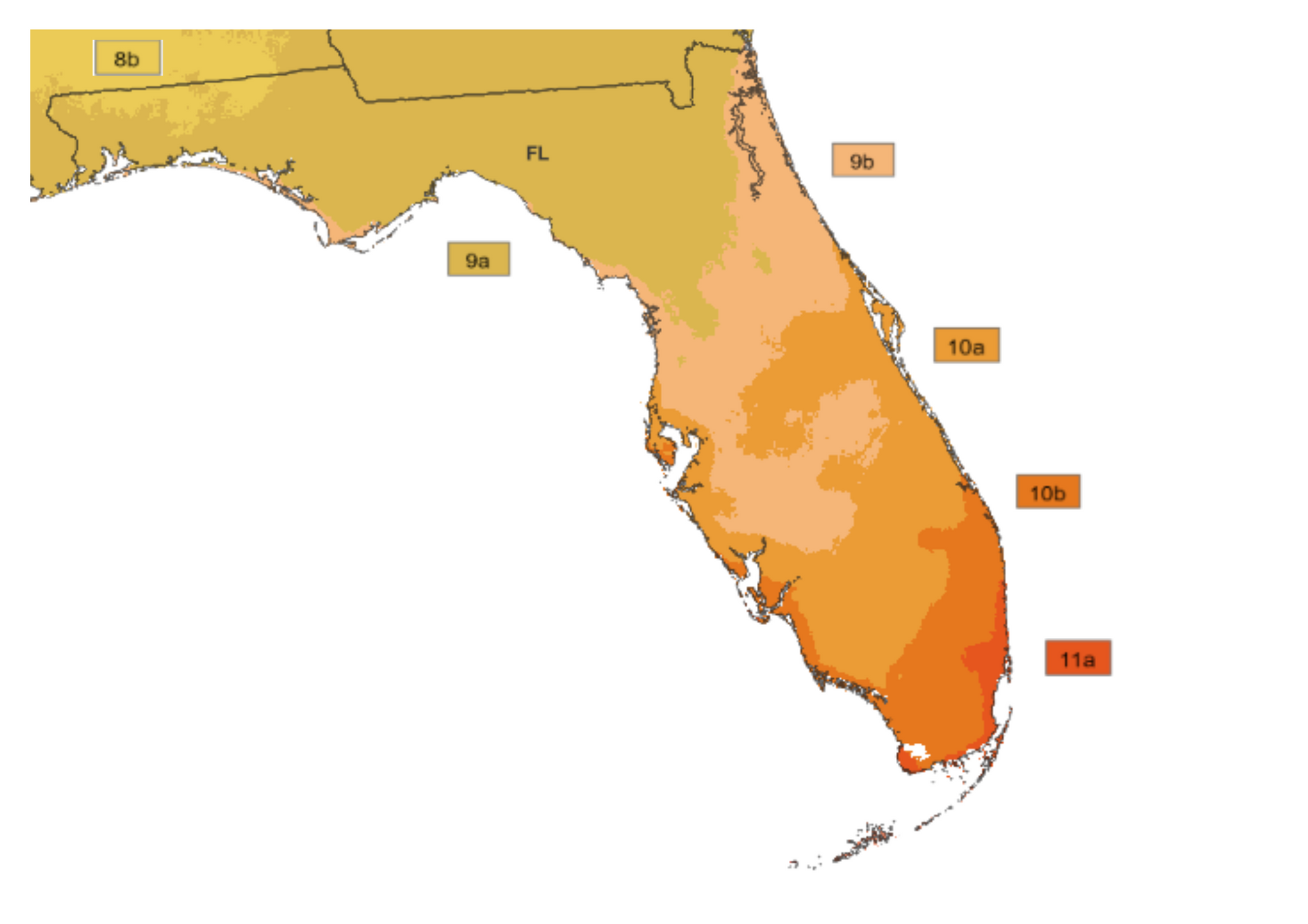
USDA zones are based on the average annual extreme minimum winter temperature.
Don't know your zone? Click here to search by zip code.
Vouchered In:
Ecology
Wildlife:
Everything from flies, to beetles, and various sorts of bees have been recorded on water lilies. The primary pollinator may be beetles. (In Defense of Plants blog).
Native Habitats:
Comments:
Ethnobotany:
General Comments:


Citations:
Wiersema, J. H. (1988). Reproductive Biology of Nymphaea (Nymphaeaceae). Annals of the Missouri Botanical Garden, 75(3), 795–804.( https://doi.org/10.2307/2399367). Accessed 2026.
Wunderlin, R. P, B. F. Hansen, A. R. Franck, and F. B. Essig. (1999+). Atlas of Florida Plants. ( https://florida.plantatlas.usf.edu/). [S. M. Landry and K. N. Campbell (application development), USF Water Institute.] Institute for Systematic Botany, University of South Florida, Tampa, FL.
