



FNPS Plant Database
Rudbeckia mohrii
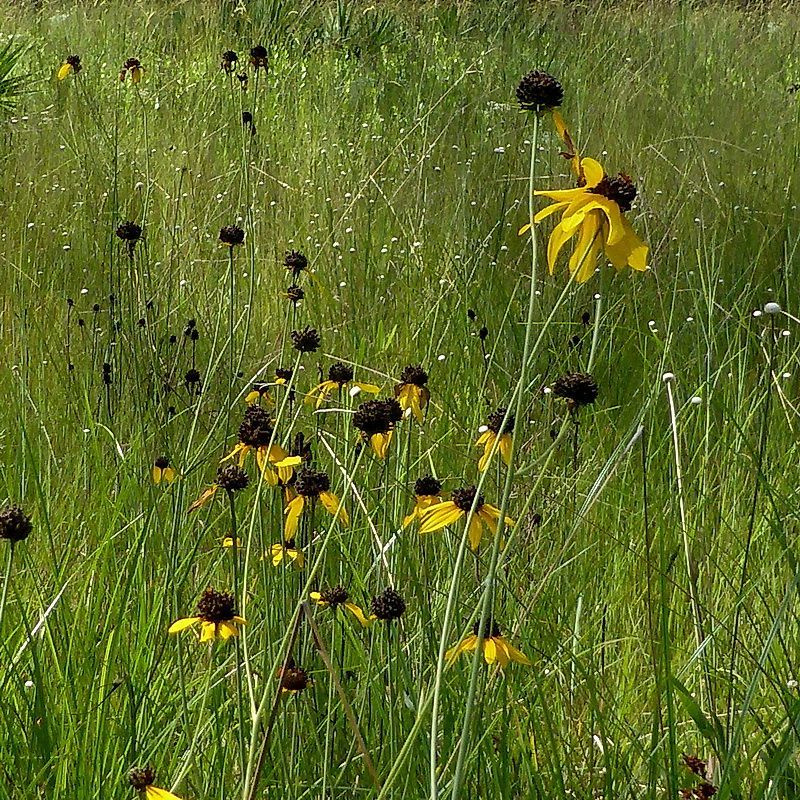
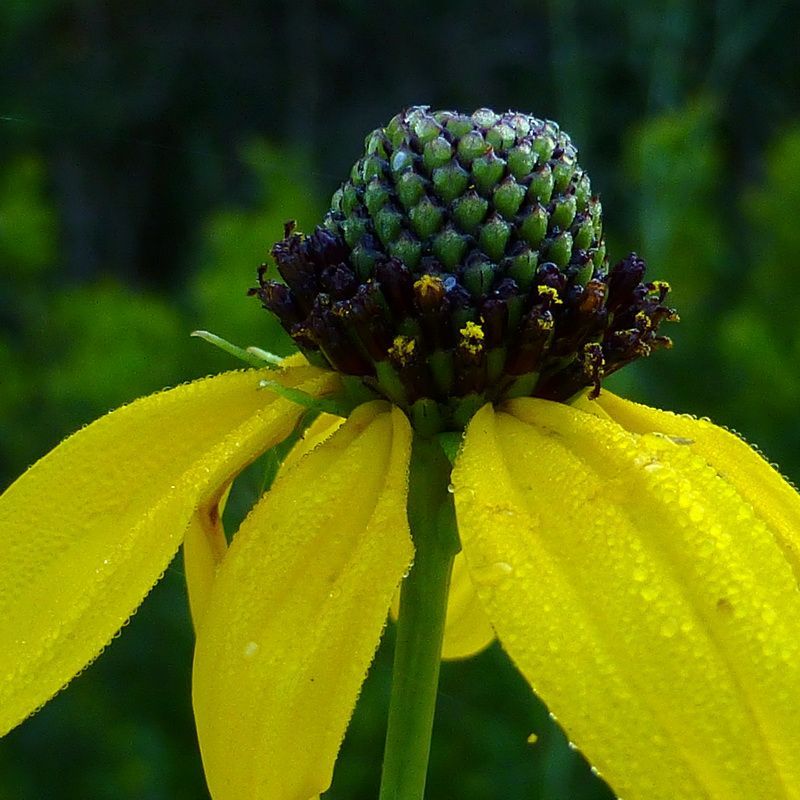
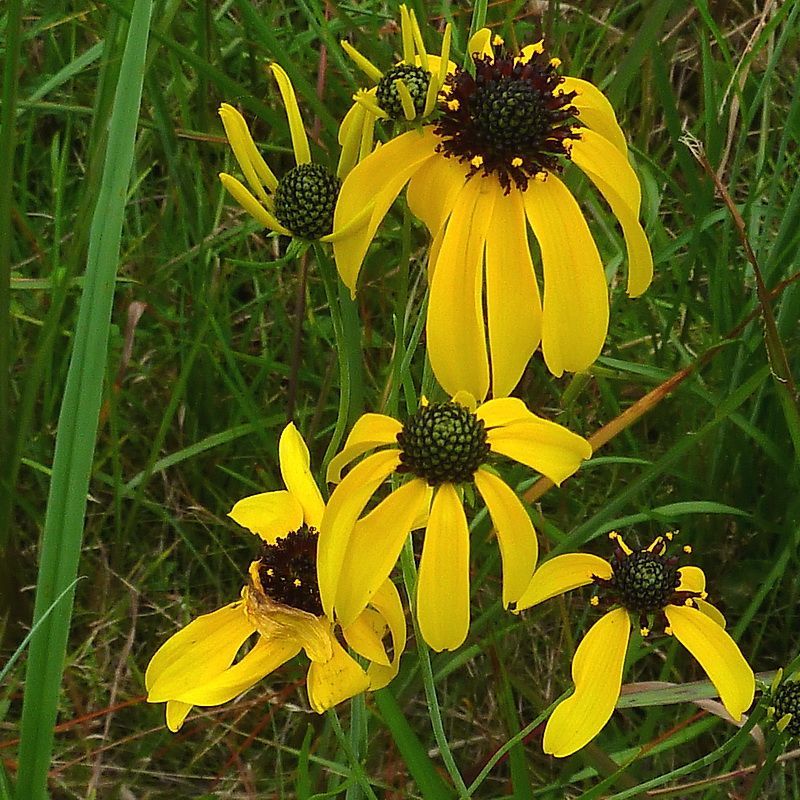
Nomenclature
Common Name:
Synonym(s):
Genus species:
Family:
Asteraceae (Compositae)
Plant Specifics
Form:
Size:
Life Span:
short-lived perennial
Flower Color:
Fruit Color:
Phenology:
Noted For:
Landscaping
Recommended Uses:
Considerations:
Availability:
Propagation:
Light:
Moisture Tolerance:
Stays wet -to- Somewhat moist, no flooding
Salt Water Flooding
Tolerance:
Not salt tolerant of inundation by salty or brackish water
Salt Spray/Salty Soil Tolerance:
Low/no tolerance of salty wind or direct salt spray
Soil or Other Substrate:
Soil pH:
Suitable to Grow In:
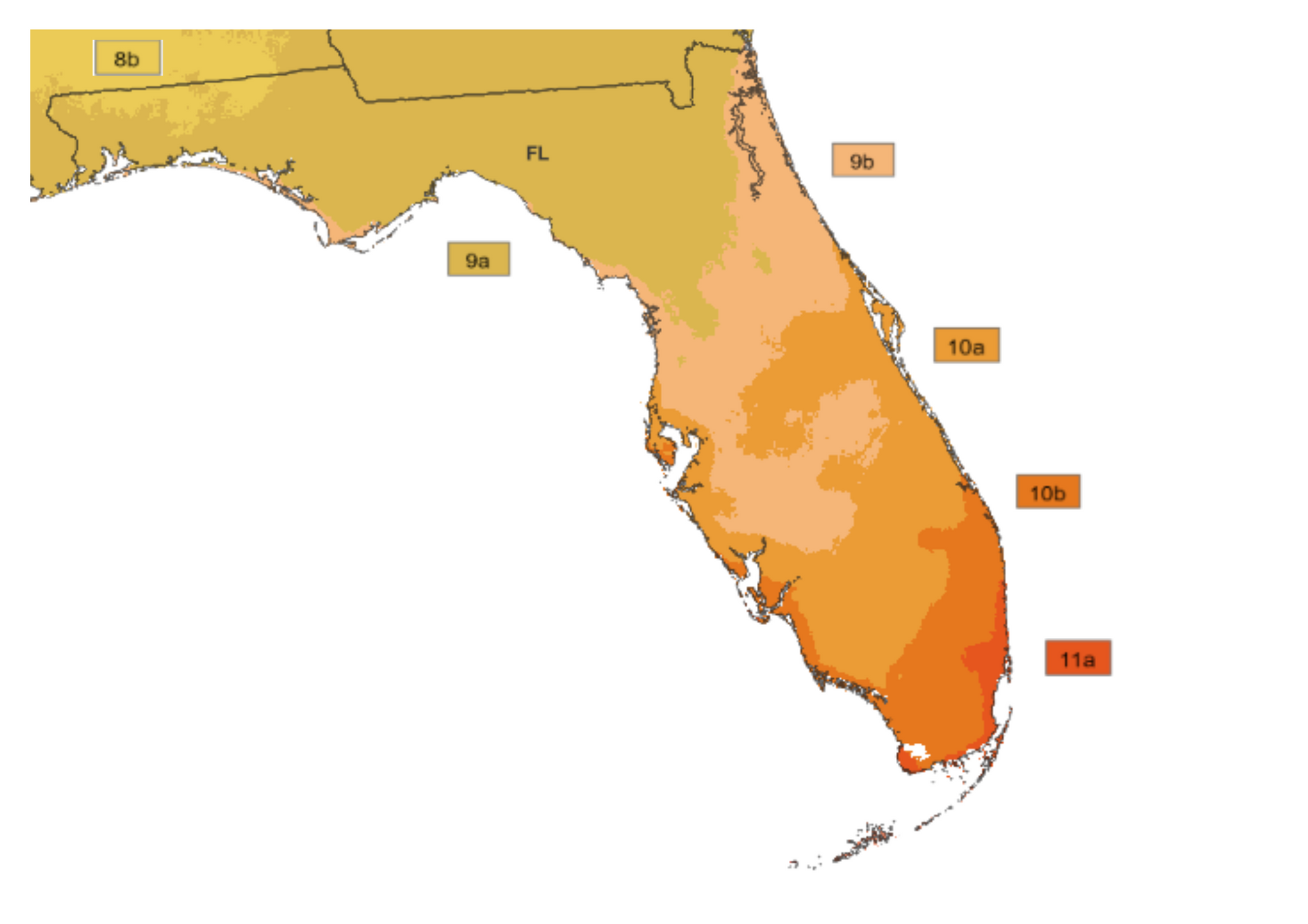
USDA zones are based on the average annual extreme minimum winter temperature.
Don't know your zone? Click here to search by zip code.
Vouchered In:
Ecology
Wildlife:
Not studied, Based on insects attracted by other species, we suspect it attracts butterflies and moths, tachinid flies, bee flies, syrphid flies, solitary wasps, social wasps, blister beetils, and soldier beetles, and bees.
Small birds are likely to harvest seeds.
Native Habitats:
Comments:
Ethnobotany:
General Comments:


Citations:
Brakie, M. (2019). Plant Guide for Black-eyed Susan ( Rudbeckia hirta ). ( ). Accessed 2026. USDA-Natural Resources Conservation Service, East Texas Plant Materials Center. Nacogdoches, TX.
Wunderlin, R. P, B. F. Hansen, A. R. Franck, and F. B. Essig. (1999+). Atlas of Florida Plants. ( https://florida.plantatlas.usf.edu/). [S. M. Landry and K. N. Campbell (application development), USF Water Institute.] Institute for Systematic Botany, University of South Florida, Tampa, FL.
