Farewell to Florida Native Plant Month: Why the work continues
What a rare scrub mint and a Florida-endemic bird have in common.
By Ann Redmond, Magnolia Chapter
Another Florida Native Plant Month has come and gone. Governor Bob Martinez and the Florida Cabinet first recognized Florida Native Plant Month in 1989 to celebrate our state’s remarkable plant diversity. At FNPS, we celebrate and fight for Florida’s native plants every month of the year. And there is a lot to celebrate.
Florida holds some of the highest plant diversity in the United States, including many species found nowhere else on Earth. Our state stretches across USDA hardiness zones 8 through 11 and supports more than 3,600 native plant species: trees, vines, shrubs, ferns, and wildflowers, including more than 30 carnivorous plants and 21 species of milkweed. Wherever you live in Florida, iconic native plants grow nearby, sustaining healthy ecosystems and local ecotourism. In Hillsborough County, look for Scrub Morning Glory and Florida Golden Aster; in Bay County, Southern Milkweed and Wiregrass Gentian; in Broward County, Florida Tree Fern and Sky Blue Clustervine.
Fun fact: Florida is home to more than 50 National Champion trees, including Shortleaf Fig, West Indian Mahogany, and Ogeechee Tupelo, the tree behind Florida’s tupelo honey industry.
But Florida is losing these plants. Development, invasive species, and fire suppression are erasing native habitat across the state, and protecting what remains takes sustained commitment. For 46 years, FNPS has worked to conserve, preserve, and restore Florida’s native plants and the plant communities they form. As a longtime FNPS member and now President, I want to work alongside you to carry that mission further. In the year ahead, we will expand our citizen science, update our model landscape ordinance, and grow our partnerships, all to do more for the natural Florida we love.
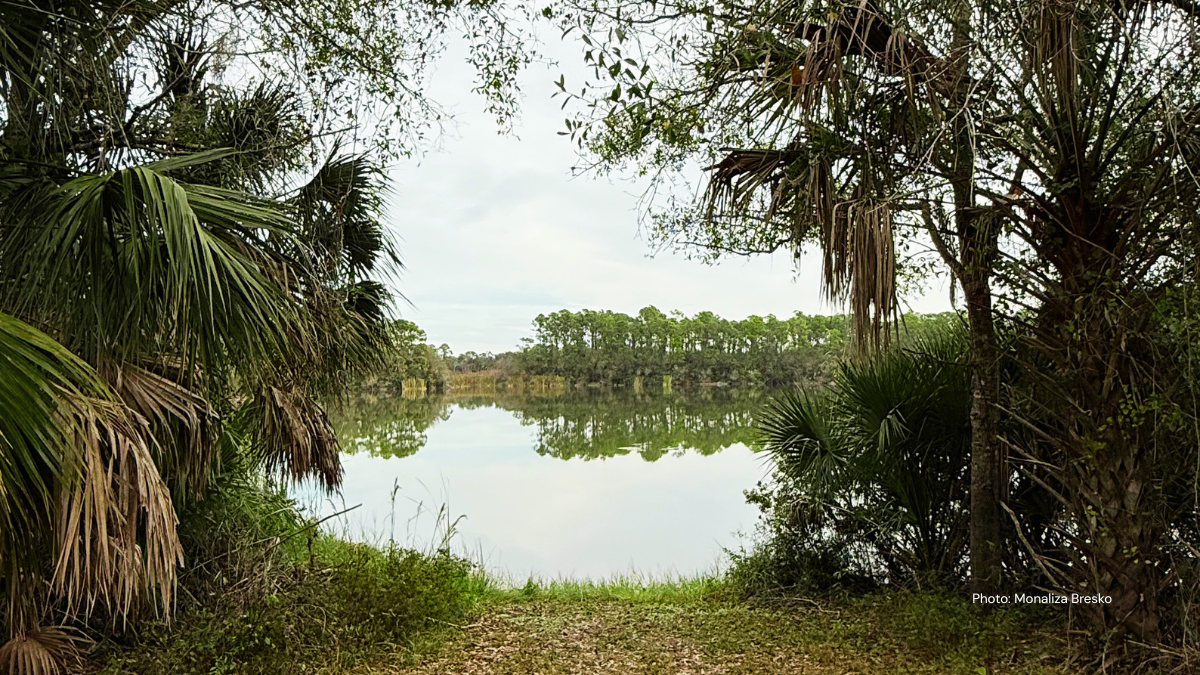
Native plants do more than beautify our landscapes. They feed and shelter our wildlife. Consider the Florida Scrub-Jay, a cousin of the Blue Jay and the only bird species found exclusively in Florida. It lives in just one habitat: scrub. Scrub-Jays depend on oaks like Chapman’s Oak and Sand Live Oak for food and cover, and nest in low, shrubby plants such as Saw Palmetto (our logo!). They also need open, sandy patches to cache acorns, and only regular prescribed fire keeps those openings clear. With fewer than 10,000 Scrub-Jays left in the wild, their survival depends on protecting the plants and landscapes they need.
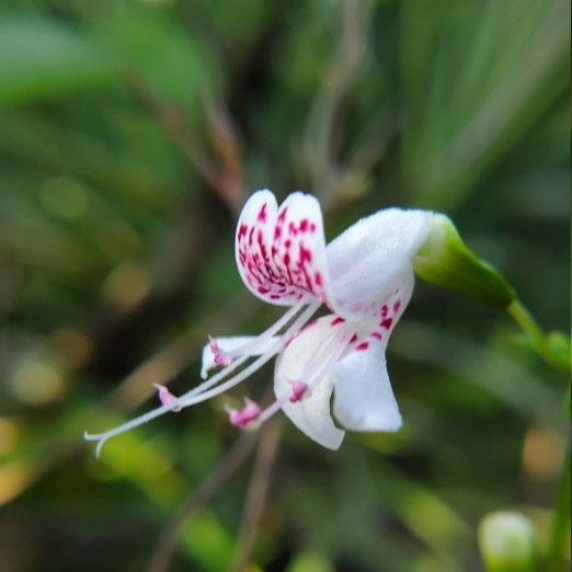
That same scrub shelters rare mints in the genus Dicerandra, with pink or white flowers and an intoxicating scent of peppermint and lavender that peaks around sunrise and sunset. FNPS volunteers remove invasive species, partner with land managers, and lead education and outreach so that both Dicerandra and the Florida Scrub-Jay have a fighting chance.
Preserving native plants protects Florida’s biodiversity. It also protects our clean air and clean water, and supports healthy ecosystems deliver lasting economic value to every community in the state.
Making a difference doesn’t end with October. In fact, fall ranks among the best times of year to experience Florida’s native plants, with goldenrods, blazing stars, and asters in bloom across the state. Whether you live in the heart of a city or deep in the country, you can make a little more room for nature. A single native plant in a pot on your patio feeds and shelters wildlife. Plant something native in your garden, explore a natural area with your family, or take time to notice the plants and animals sharing your corner of Florida.
Florida Native Plant Month may be over, but our work for Florida’s native plants continues all year long. Thank you for being part of it.

Andropogon ternarius
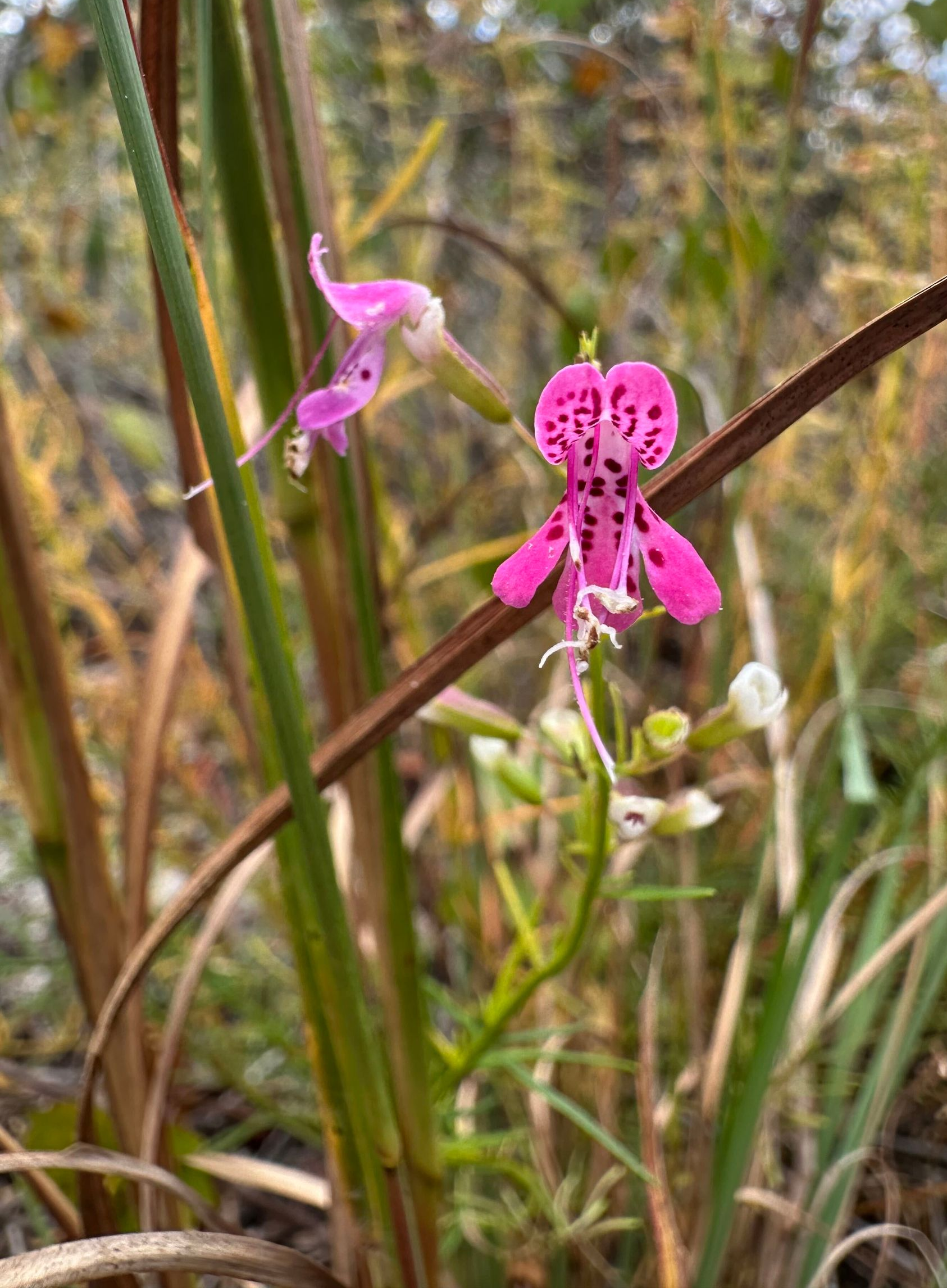
Dicerandra cornitissima

Liatris spp.

Garberia heterophylla

Pityopsis spp.
Give Native Plants a Bit of CPR
Support policy-smart conservation advocacy to protect Florida's habitats for native plants.
Share Our Content With Your Friends
RECENT ARTICLES