


FNPS Plant Database
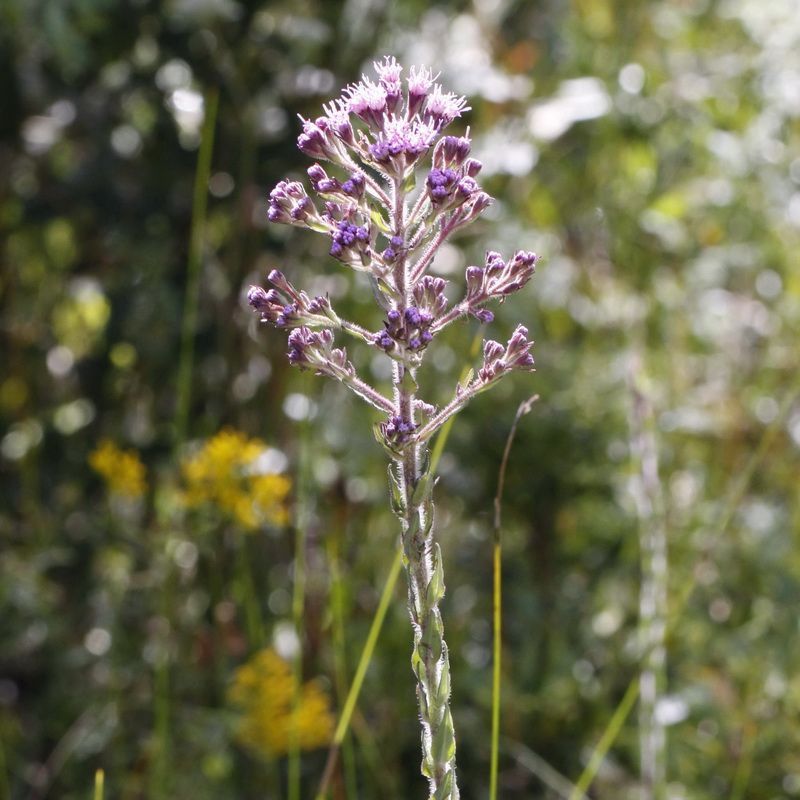
Carphephorus paniculatus
Nomenclature
Common Name:
Synonym(s):
Genus species:
Family:
Asteraceae (Compositae)
Plant Specifics
Form:
Size:
Life Span:
long-lived perennial
Flower Color:
Fruit Color:
Phenology:
Noted For:
Landscaping
Recommended Uses:
Considerations:
Availability:
Propagation:
Light:
Moisture Tolerance:
Stays wet -to- Not wet but not extremely dry
Salt Water Flooding
Tolerance:
Not salt tolerant of inundation by salty or brackish water
Salt Spray/Salty Soil Tolerance:
Low/no tolerance of salty wind or direct salt spray
Soil or Other Substrate:
Sand
Soil pH:
Suitable to Grow In:
8A,8B,9A,9B
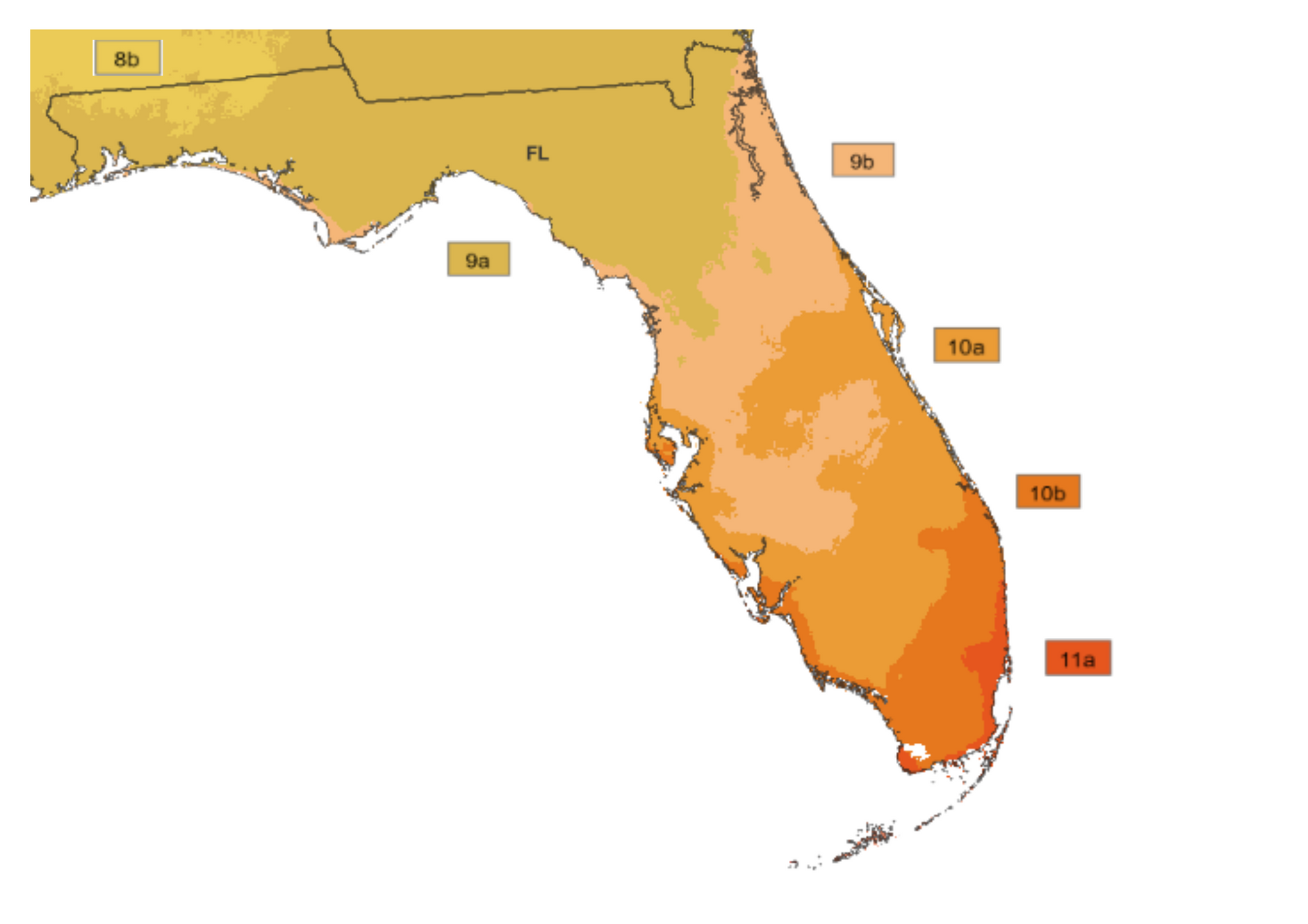
USDA zones are based on the average annual extreme minimum winter temperature.
Don't know your zone? Click here to search by zip code.
Vouchered In:
Ecology
Wildlife:
Attracts many butterflies, bees and other pollinators.
Native Habitats:
Comments:
Ethnobotany:
General Comments:


Citations:
Crowley, Marianne. (1997-2015). Your Florida Backyard: Butterfly Host Plants. ( https://www.nsis.org/butterfly/butterfly-plants-larval.html). Accessed 2026.
Huegel, Craig N. (2012). Native Wildflowers and Other Ground Covers for Florida Landscapes. University Press of Florida, Gainesville, FL.
Osorio, Rufino. (2001). A Gardener's Guide to Florida's Native Plants. University Press of Florida, Gainesville, FL.
Wunderlin, R. P, B. F. Hansen, A. R. Franck, and F. B. Essig. (1999+). Atlas of Florida Plants. ( https://florida.plantatlas.usf.edu/). [S. M. Landry and K. N. Campbell (application development), USF Water Institute.] Institute for Systematic Botany, University of South Florida, Tampa, FL.
